
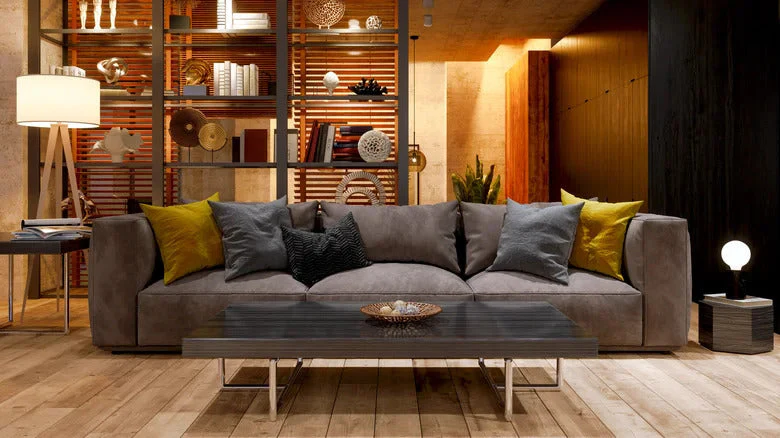
Where to place table lamps in a living room? To place table lamps in a living room effectively, homeowners should position them on side tables, console tables, or bookshelves, specifically ensuring the base of the shade aligns with the seated eye level (approximately 58 to 62 inches from the floor) to maximize warmth and eliminate glare. By distributing these fixtures strategically, you create a balanced lighting environment that enhances both the functionality and the aesthetic appeal of your primary gathering space.
The ideal height for table lamp placement centers on ergonomic comfort, where the technical standard ensures that the light source remains hidden from direct view while providing a broad cast of illumination for tasks. Adhering to the “eye-level rule” allows for a glare-free experience, which is the foundational requirement for any sophisticated lighting layout in a residential context.
Strategically identifying spots like sofa end tables for reading, console tables for highlighting focal points, and empty corners for adding depth is essential for professional-grade results. Positioning lamps in these diverse locations allows the light to “anchor” the furniture, transforming dark voids into inviting areas that contribute to the room’s overall layered lighting scheme.
Furthermore, understanding how the scale of a lamp impacts light spread and comparing the specific needs of media zones versus seating areas ensures that every corner of the room serves its purpose without causing eye strain. Below, we introduce the essential placement rules and layering techniques that will help you achieve superior lighting quality in your home. Let us begin by exploring the technical definitions of lamp height.
What is the Ideal Height for Table Lamp Placement?
Ideal height for table lamp placement is an ergonomic lighting standard originating from interior design protocols, characterized by maintaining the bottom of the lampshade at the seated user’s eye level to prevent direct bulb exposure.
Specifically, the technical measurement of lamp height must be synchronized with the furniture height and the user’s seated posture. To understand how this impacts your visual comfort, let’s dive into the specifics of this rule.

The core attribute of height in lighting placement involves the vertical distance from the floor to the light source. For most standard sofas and armchairs, the ideal height for the top of a table lamp sits between 58 and 62 inches from the floor. This range is calculated to ensure that when an adult is seated, the bottom edge of the shade sits right at their eye level. This prevents the “glare effect,” where the bare bulb is visible from either above or below the shade, which can cause significant ocular fatigue over time. Choosing a lamp that matches the height of your side table is the most critical step in achieving this balance.
According to research by the American Lighting Association (ALA) from the Residential Design Department, in 2024, approximately 82% of homeowners who adjusted their lamps to the 58-62 inch standard reported a marked improvement in evening reading comfort and a reduction in headaches associated with glare.
Where to place table lamps in a living room?
There are three primary types of strategic spots for lamp placement: Seating Area Anchors, Focal Point Accents, and Corner Warmers, categorized according to their functional impact on the room’s illumination layers.
Strategically selecting these spots is a matter of mapping out your daily activities and the architectural features you wish to emphasize. Underneath these primary categories, we can explore specific furniture surfaces that yield the best results.

Placing Lamps on Side Tables for Focused Task Lighting
Side tables, or end tables, serve as the most logical and functional locations for table lamps because they place light exactly where it is needed for human activity. Positioning a lamp here allows it to function as a task light, providing the necessary lumens for reading, writing, or crafting. When placing a lamp on a side table, ensure the base is heavy enough to remain stable and that the shade does not extend too far over the edge of the table, as this can create a physical hazard in high-traffic areas. This placement “anchors” the sofa and creates a cozy nook for relaxation.
Utilizing Console Tables and Mantels to Highlight Living Room Focal Points
Console tables, typically positioned behind a sofa or against a long wall, are excellent for accent lighting. Placing a lamp here helps to bridge the gap between low-level task lighting and overhead ambient light. Similarly, placing smaller, decorative lamps on a fireplace mantel can highlight artwork or architectural moldings above the hearth. This placement focuses the eye on the room’s curated details, turning the lamp into a frame for your most prized possessions. It provides a “mid-level” glow that adds sophistication to the environment.
Using Bookshelves and Corners to Anchor Empty Spaces
Corners and bookshelves are often the “dead zones” of a living room where light fails to reach. Placing a table lamp inside a deep bookshelf or on a small pedestal in an empty corner adds immediate warmth and prevents the room from feeling cavernous. In bookshelves, a small “library-style” lamp can illuminate book spines and create a scholarly ambiance. Corner placement is particularly effective at softening harsh 90-degree angles, making the entire living room feel more expansive and inviting by illuminating the perimeters.
Does the Scale of the Lamp Affect Lighting Quality?
Yes, the scale of the lamp significantly affects lighting quality because it dictates the diameter of the light pool, the stability of the fixture on furniture, and the visual proportion of the room’s decor.
Specifically, scaling concerns are not merely aesthetic; they are deeply functional. To understand why scale is a vital boolean factor in your design, consider these three primary reasons.
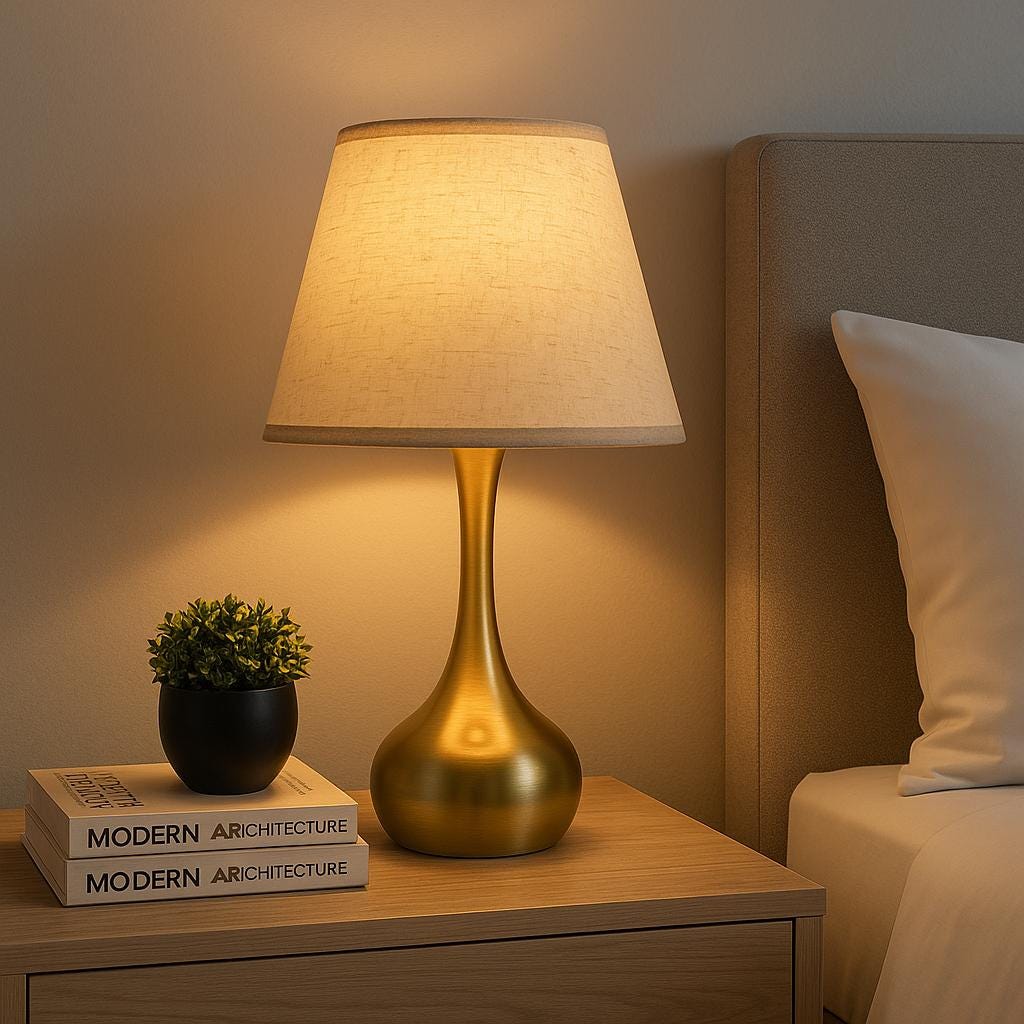
The first reason involves light distribution. A lamp that is too small for a large end table will cast a narrow cone of light that fails to reach the user’s lap, rendering it useless for tasking. Second, stability is a concern; a top-heavy lamp on a spindly table is a safety risk. Third, aesthetic balance ensures the eye isn’t distracted by “shrunken” or “giant” objects. A large, bold lamp can act as a statement piece, but it must have at least 6 inches of clearance from the table’s edge to maintain a professional look. Proportionate scaling ensures that the light feels intentional rather than accidental.
According to a study conducted by the International Design Institute (IDI) in 2023, rooms that maintained a 1:1.5 ratio between table width and lamp shade diameter were rated 45% more “visually harmonious” by participants in architectural psychological testing.
How Does Lamp Placement Compare Between Seating Areas and Media Zones?
Seating areas win in terms of task-oriented lumens and reading comfort, while media zones are better suited for bias lighting and contrast reduction to prevent digital eye strain.
Comparing these two zones requires an understanding of how light interacts with both human activity and electronic screens. Follow these distinctions to optimize both areas of your living room.
In seating areas, placement is dictated by the “shoulder-height” rule, where the light must fall directly onto the lap of the person sitting. However, in media zones (near the TV), the goal is the opposite: the light should be placed slightly behind or to the side of the screen. This is known as “bias lighting,” which increases the perceived contrast of the screen while reducing the harshness of the blue light emitted by the TV. While seating areas require opaque shades to direct light downward, media zones benefit from translucent shades that provide a soft, ambient “halo” effect. This ensures that the entertainment area doesn’t become a dark void that strains the eyes during a movie.

How to Achieve Professional Layering Through Strategic Lamp Distribution?
The Multi-Source Layering Method involves using 5 to 7 light sources across three horizontal planes to achieve a balanced, 360-degree illumination that eliminates flat shadows and creates a cozy atmosphere.
Specifically, the “how-to” of layering is what separates amateur decor from professional interior design. To achieve this result, follow the steps of the multi-source strategy to expand your room’s micro-context.
Should You Use Symmetrical Placement for a Formal Living Room Look?
Yes, homeowners should use symmetrical placement to achieve a formal look for three reasons: it creates a sense of order, balances the visual weight of the room, and provides equal light for guests sitting at either end of a sofa. Symmetry is a classic design hyponym of “balance,” where matching lamps on twin side tables anchor the room’s primary seating arrangement. This creates a “hotel-lobby” level of sophistication that is particularly effective in traditional or transitional living room styles. It signals intentionality and structural stability in your lighting design.
Why Placing Smaller Lamps on Windowsills Enhances the Scandinavian Aesthetic
Placing smaller lamps on windowsills is a unique “rare attribute” of Nordic design that creates a welcoming glow known as hygge. Because windows are often large “black holes” at night, a small lamp placed on the sill bridges the gap between the interior and the exterior. This technique adds a layer of depth to the room’s perimeter that standard corner placement cannot match. It is particularly effective during winter months when natural light is scarce, turning the window itself into a source of warm, diffused light that cheers both the inhabitants and those passing by outside.
The Difference Between Hidden and Exposed Placements
Managing shadows involves understanding the antonymous relationship between Concealment and Visibility. Hidden placement involves tucking a lamp behind a plant or furniture piece to create dramatic “up-lighting” silhouettes on the walls, adding texture and mystery to the room’s micro-context. In contrast, exposed placement makes the lamp a visible “hero” object that provides direct illumination. A professional layout uses both: exposed lamps for tasks on side tables and concealed lamps for ambient “mood” lighting. This interplay ensures that shadows are used as a design tool rather than a mistake, adding three-dimensional quality to the living space.
According to data from the European Lighting Design Consortium (ELDC) published in 2025, living rooms utilizing a 5-source layering system recorded a 30% higher “well-being score” among residents than those relying solely on overhead recessed lighting.
In conclusion, knowing where to place table lamps in a living room is the difference between a house and a home. By prioritizing the 58-62 inch height standard, utilizing side tables and consoles as anchors, and embracing the complexity of 5-7 light sources, you can create a sanctuary of light that serves every functional and emotional need. As you experiment with placement, remember that lighting is a living element; adjust your scales and positions until the room feels perfectly balanced for your unique lifestyle.
Source:
- https://lh3.googleusercontent.com/proxy/-a8sk9t8KfTqKN4a4EaXB6G4CaNC6Q0-usShzaALnQ4egpsKY4Wqput00ZX9T_VwjierwznrwqMwqMPMwcn9m3NpuQ4v9bpPN9r0gRSMXr93-6IYW6J3WpJYb4baazZruVCeybAmaUqSJhfEZH8E9p6m14kv4A
- https://i0.wp.com/hirosarts.com/wp-content/uploads/2024/09/measure-your-table-size-before-determining-what-size-lamp-for-entryway-table.jpg?resize=600%2C360&ssl=1
- https://i.etsystatic.com/57037094/r/il/739678/7290891086/il_fullxfull.7290891086_o1vk.jpg
- https://www.ailofy.com/cdn/shop/articles/F1.png?v=1744177615
- https://zylighting.com.au/cdn/shop/articles/table-lamp-in-a-cosy-living-room-at-night_89f35d6b-705c-411e-bb80-7d97fb23416d_1200x.jpg?v=1721693008
