
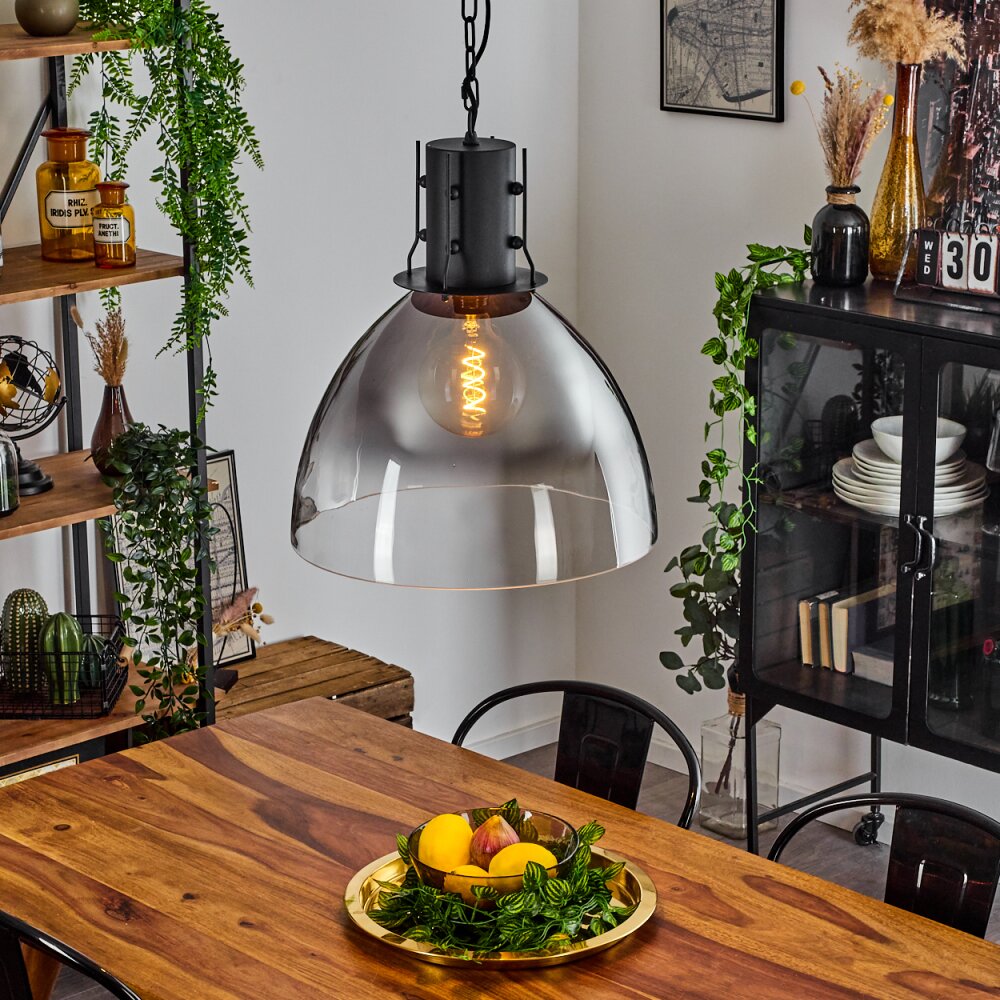
Modern tall pendant lighting styles refer to elongated, architectural hanging fixtures that utilize extended suspension systems and sleek silhouettes to anchor the vast vertical space found in grand great rooms. These fixtures serve as the primary visual bridge in high-ceiling environments, transforming empty air into a cohesive design statement through sophisticated geometry and focused illumination.
What Defines Modern Tall Pendant Lighting for a Great Room?
Modern tall pendant lighting is a category of elongated hanging fixtures originating from architectural minimalism, characterized by extended suspension rods and sleek profiles designed to maintain visual proportion in rooms with ceilings exceeding fifteen feet.
Regarding the definition of these fixtures, the emphasis lies in their verticality. To understand why they are essential for great rooms, let’s explore their core attributes below.

Specifically, a tall pendant light is not merely a “large” light; it is a “long” light. The Root Attributes of this entity include the suspension mechanism (cord or rod), the housing (the fixture itself), and the canopy (the ceiling mount). In a grand great room, the “Contextual Height” is the primary factor. A standard pendant might disappear in a 20-foot foyer, but a tall pendant uses its elongated form to draw the eye upward, emphasizing the room’s height while simultaneously providing light exactly where it is needed—usually 30 to 36 inches above a surface or 7 to 8 feet above the floor for walkways.
Which Modern Styles Best Suit Grand Great Room Environments?
There are three primary styles of tall pendant lights: Minimalist Cylinders, Geometric Scuplturals, and Cluster Waterfalls, categorized by their visual density and the way they manipulate light within large-scale architectural volumes.
Because great rooms require a balance of scale and style, these groupings provide a roadmap for selecting the right visual weight. Under this heading, we will compare and classify the most effective modern designs.

Comparing Minimalist Cylinders and Bold Geometric Forms in Lighting Design
Minimalist cylinders win on architectural integration and clean lines, while bold geometric forms are superior for creating a singular focal point in rooms that lack architectural detail or built-in drama.
- Minimalist Cylinders: These are ideal for homeowners who want the architecture of the “Great Room” to speak for itself. They provide a “quiet” luxury.
- Geometric Forms: Utilizing Rare Attributes like asymmetrical frames or faceted glass, these pieces act as hanging sculptures. They are better suited for contemporary art-inspired interiors.
Is the “Cluster” Style the Most Popular Choice for Modern Foyers?
Yes, cluster style pendants are the most popular choice because they offer adjustable visual volume, permit multi-directional light distribution, and effectively bridge the gap between high ceilings and lower-level furniture groupings.
The popularity of clusters stems from their versatility. By grouping 3, 5, or even 20 individual tall pendants at varying heights, designers can create a “waterfall” effect. This is a unique attribute often seen in luxury foyer designs where a single pendant would feel too small, but a massive chandelier would feel too traditional.
Matte Black, Brushed Gold, and Smoked Glass
Modern finishes are currently dominated by three key aesthetic groupings: Matte Black for high contrast, Brushed Gold for warmth, and Smoked Glass for sophisticated light diffusion and reduced glare.
- Matte Black: Often used as a Root Attribute in industrial-modern designs.
- Brushed Gold: Adds a “Unique Attribute” of luxury and warmth to otherwise cold, large spaces.
- Smoked Glass: A Rare Attribute that hides the bulb (the light source) and creates a moody, ambient glow perfect for evening relaxation in a great room.
Are Tall Pendant Lights More Functional Than Traditional Chandeliers?
Tall pendant lights outperform chandeliers in focused task lighting and modern aesthetic versatility, while traditional chandeliers excel at providing high-output ambient glow and serving as ornate, classical status symbols in high-volume spaces.
When comparing these two heavyweights of the lighting world, the decision often comes down to the intended “Light Layering” of the grand room. Let’s look at the functional advantages below.

The primary functional difference lies in the Distribution of Light. A tall pendant is typically designed to cast light downwards (downlight), making it perfect for lighting a specific dining table or an island within a great room. Conversely, a chandelier usually features upward-facing bulbs or multi-directional diffusion, which bounces light off the ceiling.
In a 20-foot room, bouncing light off the ceiling is often inefficient. Tall pendants bring the light source closer to the human eye level, which is a significant functional benefit for reading, dining, or social interaction.
Research from the Lighting Research Center (LRC) suggests that task-oriented pendant lighting can reduce energy consumption by 25% in high-ceiling rooms by reducing the need for high-wattage ambient ceiling fixtures.
Advanced Technical Features of High-End Pendants
High-end tall pendants integrate specialized technical systems including acoustic-dampening panels, long-life integrated LED modules, and smart DALI dimming protocols to solve the unique environmental challenges of massive, echoing grand rooms.
While the look of the light is vital, the technical “Micro-semantics” of the fixture ensure long-term usability. After discussing style, we must look at these Rare and Unique Attributes.
How Do Acoustic Pendant Lights Solve the “Echo” Problem in Great Rooms?
Acoustic pendant lights utilize sound-absorbent materials like high-density felt or recycled PET to reduce reverberation times in large rooms, effectively combining lighting and sound management into one fixture.
In the context of a “Grand Great Room,” hard surfaces like marble floors and glass walls create an “Echo” (the antonym of Intimacy). Acoustic pendants are a Rare Attribute that provides a solution by trapping sound waves within their soft-textured shades. This is particularly useful in modern open-plan spaces where noise travels easily from the kitchen to the living area.
Integrated LED or Replaceable Bulbs for 20 Foot Ceilings
Integrated LED modules are superior for 20-foot ceilings because they offer a 50,000-hour lifespan, reducing the dangerous and costly requirement of using scaffolding or tall ladders to replace bulbs in high-volume voids.
Maintenance is a Unique Attribute that many homeowners overlook. While a replaceable bulb allows for changing color temperatures, the reliability of a high-quality integrated LED (often from brands like Tom Dixon or Flos) ensures that the “Grand Room” remains lit for decades without intervention. This is a critical “How-to” consideration for high-ceiling installations.
Can Smart Lighting Protocols Like DALI Enhance Large-Scale Pendants?
Yes, DALI and 0-10V dimming protocols enhance tall pendants by allowing for flicker-free, precision control over brightness levels, which is essential for managing the varying natural light levels in grand rooms with large windows.
This Rare Attribute is often found in luxury residential automation. Unlike standard “Triac” dimmers which can buzz or flicker at low levels, DALI (Digital Addressable Lighting Interface) provides a digital signal to each fixture. For a tall pendant lighting cluster, this means you can dim individual “drops” to different levels, creating a dynamic, programmable light sculpture that changes throughout the day.
Source:
- https://images.unsplash.com/photo-1513506003901-1e6a229e2d15
- https://images.unsplash.com/photo-1540518614846-7eded433c457
- https://images.unsplash.com/photo-1565814329452-e1efa11c5b89
- https://www.illumination.co.uk/media/product/132986/1000×1000/tallaa-pendant-light-h3577301-0.jpg
