
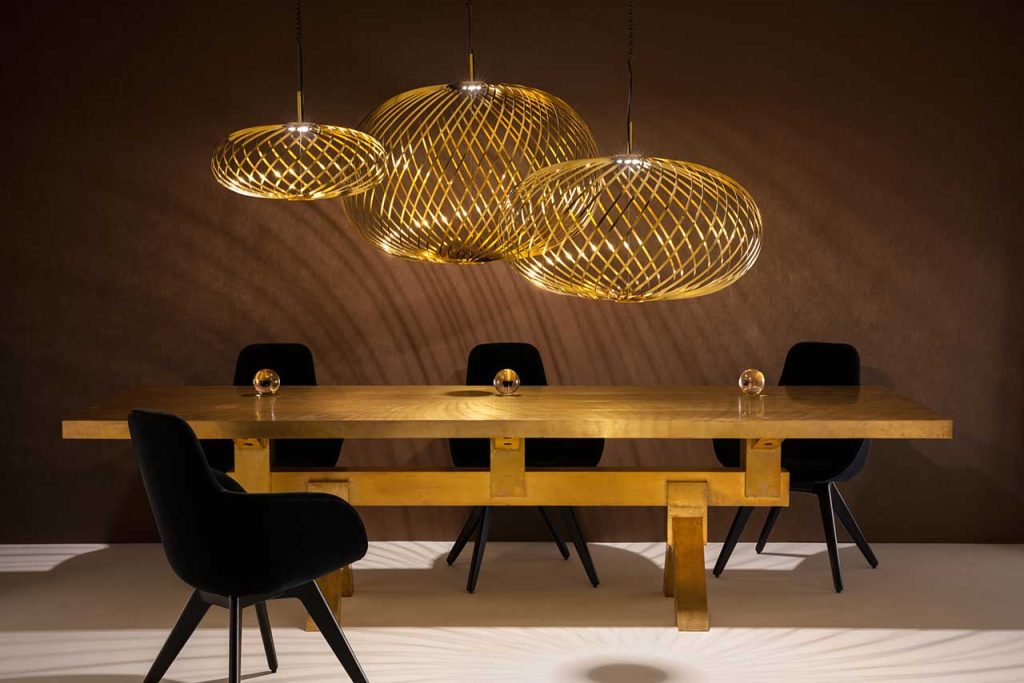
Sleek pendant lights are minimalist, modern, and stylish illumination fixtures designed to provide targeted lighting while serving as a sophisticated focal point in contemporary high-end interiors. These fixtures utilize slender profiles and premium materials to enhance the spatial harmony of kitchens and living areas. In this 2026 guide, we analyze why these lighting solutions have become the hallmark of luxury architectural design.
To navigate the evolving landscape of interior aesthetics, one must understand the dominant trends such as linear bars and geometric shapes that define the current market. These styles prioritize “less is more,” stripping away ornate clutter to reveal pure form and function. Below, we examine how these specific shapes contribute to an uncluttered, modern atmosphere in your home.
Choosing the right fixture also involves identifying top-tier brands like ET2, Visual Comfort, and Tom Dixon, which lead the industry with innovative materials and finishes. From polished chrome to integrated LED steel, these products represent the pinnacle of modern craftsmanship. Selecting between these options requires a clear understanding of your specific spatial needs and desired luxury level.
Finally, successful implementation depends on precise installation techniques, specifically the 24-to-36-inch spacing rule, to ensure your lighting is as functional as it is beautiful. To understand how to perfectly integrate these elements into your living space, let’s explore the technical and aesthetic nuances of modern pendant lighting. After all, lighting is the jewelry of the home.
What defines a sleek pendant light in modern interior design?
A sleek pendant light is a minimalist lighting fixture characterized by slender silhouettes and polished finishes that prioritize geometric purity and functional elegance. These fixtures originated from the Bauhaus movement’s “form follows function” philosophy, now evolving into high-end architectural statements.
Regarding the essence of this design, the “sleek” aesthetic is fundamentally about the reduction of visual noise. To illustrate this further, we must look at the root attributes that make a fixture truly modern: the use of slender metallic lines, high-grade glass, and the absence of visible hardware.

Specifically, these lights serve as a bridge between art and utility. Unlike traditional chandeliers that demand attention through mass, sleek pendants attract the eye through precision. Modern homeowners increasingly favor these designs because they allow the architecture of a room—such as open-plan kitchens or double-height ceilings—to breathe while still providing necessary task illumination.
Which sleek pendant light styles are dominating 2026 trends?
There are four primary types of sleek pendant lights dominating 2026: Minimalist Linear Bars, Geometric Globes, Cylindrical Downlights, and Ultra-thin Discs, categorized by their structural silhouette. These styles cater to different functional needs within the minimalist home environment.
After categorizing these forms, it is clear that the trend for 2026 is moving toward even more slender and “invisible” profiles. To help you choose the best fit for your space, we have broken down the most influential styles below.
Why are Minimalist & Linear Bar pendants ideal for kitchen islands?
Minimalist linear bar pendants provide an elongated, continuous light source that perfectly mirrors the horizontal plane of a kitchen island, ensuring uniform illumination for meal preparation and social interaction. Specifically, these bars utilize integrated LED strips to maintain a slim profile that doesn’t block sightlines across the room.
- Visual Symmetry: Linear bars create a sense of order and alignment in modern kitchens.
- Task Efficiency: They offer a wide spread of downward light, reducing shadows on workspace surfaces.
- Materiality: Most 2026 designs feature matte black or brushed gold finishes to complement high-end cabinetry.
How do Geometric Shapes (Globe, Cylinder, Disc) create an uncluttered aesthetic?
Geometric shapes create an uncluttered aesthetic by utilizing fundamental mathematical forms—the circle, the cylinder, and the sphere—which the human eye perceives as inherently harmonious and organized. Specifically, these shapes act as “visual anchors” that provide focus without overwhelming the surrounding décor.
- Globe Pendants: Provide 360-degree soft ambient light, often using frosted or “melted” glass to add organic texture.
- Cylindrical Pendants: Focus light directly downward, making them perfect for “spotlighting” specific areas like a bar or a side table.
- Disc Pendants: Represent the ultimate in thin-profile design, often appearing as floating plates of light.
What are the top picks and brands for high-end modern pendants?
The ET2 Moeraki excels in material innovation, Tom Dixon wins for reflective luxury finishes, and Visual Comfort leads in timeless, flat-profile sophistication. Each brand addresses a different niche within the high-end modern lighting market, from avant-garde to understated elegance.
To differentiate these premium options, we must examine their unique attributes and how they influence the “mood” of a room. Let’s dive into the specifics of these top-tier fixtures.
Is the ET2 Moeraki LED Pendant the best option for steel-polyurethane fusion?
Yes, the ET2 Moeraki LED Pendant is the premier option for steel-polyurethane fusion because it combines industrial durability with a soft, futuristic glow that traditional metal-only fixtures cannot replicate. This unique material blend allows for a sculptural form that is both lightweight and visually striking.
Specifically, the polyurethane diffuser softens the harshness of LED points, creating a seamless “halo” of light. This makes it an ideal choice for living spaces where you want a modern look without the clinical feel of exposed bulbs.

Why is the Tom Dixon Melt Pendant considered a masterpiece of modern finishes?
The Tom Dixon Melt Pendant is considered a masterpiece because of its vacuum-metallized finish, which appears as a solid reflective orb when off and transforms into a translucent, molten glass effect when illuminated. Specifically, this “magic” transition offers two distinct aesthetic looks within a single fixture.
According to a 2023 design report by Interior Design Magazine, the “Melt” series remains one of the most photographed lighting fixtures in luxury hospitality due to its high-shine chrome and gold surfaces that add a sense of movement to static rooms.
How do the Aeris Gold and Visual Comfort Piatto Pendants compare in style?
The Aeris Gold wins for luxurious warmth and vertical presence, while the Visual Comfort Piatto is superior for low-profile, horizontal minimalism. Specifically, the Aeris is often used as a statement piece in dining rooms, whereas the Piatto is the preferred choice for rooms with lower ceilings or a desire for “barely there” illumination.
How to properly install sleek pendant lights for a balanced look?
The primary method involves the 24-to-36-inch spacing rule and a standard height of 30-36 inches above surfaces to achieve an optimal balance of task illumination and visual symmetry. This method ensures that the lighting enhances the room’s proportions rather than cluttering them.
Specifically, installation is where many homeowners fail to realize the full potential of sleek lighting. To help you achieve a professional, “architectural” look, consider the following sub-points regarding spacing and purpose.
Is the 24-to-36-inch spacing rule mandatory for all layouts?
No, the 24-to-36-inch rule is not mandatory but is the most effective guideline for standard kitchen islands to prevent overcrowding while ensuring light paths overlap enough to eliminate dark spots. Specifically, the size of the fixture itself should dictate the final spacing; larger pendants require more “breathing room.”
For example, if you are using three small cylindrical pendants over an 8-foot island, 30 inches apart is ideal. However, if using two large Tom Dixon globes, you might push that spacing to 36 or even 40 inches to allow the sculptural shapes to be appreciated individually.
Should sleek pendants be used as the primary light source or accent lighting?
Sleek pendants should be used as accent or task lighting because their focused beams are optimized for illuminating surfaces rather than providing the broad, diffused light needed to fill an entire room. Specifically, they work best when “layered” with other light sources.
According to lighting design standards from the American Lighting Association, a well-lit modern room should have three layers: ambient (recessed), task (pendants), and accent (wall sconces). Relying solely on pendants can create a “cave effect” where the ceiling remains dark while only the tabletop is bright.
The Technical and Functional Evolution of Sleek Lighting
This section explores the micro-semantics of modern lighting, focusing on the technological advancements and maintenance requirements that ensure long-term performance and aesthetic preservation. Specifically, we address the shift from traditional bulbs to integrated systems.
How does Integrated LED technology differ from traditional bulb fixtures?
Integrated LED technology differs from traditional fixtures by building the light source directly into the structure of the lamp, allowing for much thinner, more radical designs that were previously impossible with bulky screw-in bulbs. Specifically, this allows for the “pencil-thin” linear bars that are a staple of 2026 minimalism.
From a technical standpoint, integrated LEDs offer superior heat management and a lifespan of up to 50,000 hours. This means the fixture can be entirely sealed, preventing dust and insects from entering the shade—a common issue with traditional glass globes.
What are the maintenance requirements for high-polish Chrome and Gold finishes?
High-polish finishes require regular cleaning with microfiber cloths and pH-neutral cleaners to prevent fingerprints and oxidation from dulling the “sleek” reflective surface. Specifically, avoiding abrasive chemicals is crucial for maintaining the vacuum-metallized layers found in brands like Tom Dixon.
In high-moisture areas like kitchens, oils from cooking can settle on the fixtures. A weekly light dusting followed by a damp microfiber wipe is generally sufficient to keep the metallic sheen looking brand new.
Sleek Pendant Lights and Recessed Lighting for Minimalism
Recessed lighting is better for “invisible” minimalism where the goal is to hide the light source, while sleek pendants are better for “sculptural” minimalism where the fixture acts as a curated design object. Specifically, the choice depends on whether you want the light to be a focal point or a background element.
Antonymically, recessed lighting is “subtractive” (removing visual weight), whereas a sleek pendant is “additive” (adding a deliberate, refined element). Most modern homes use a hybrid approach to maximize both space and style.
Can sleek pendants be integrated into a Smart Home ecosystem?
Yes, most modern LED pendants feature “TRIAC” or “ELV” dimming drivers that allow them to be connected to smart switches and home automation systems like Lutron, Alexa, or Google Home. Specifically, this enables the user to adjust the “color temperature” and brightness to match the time of day, enhancing the room’s mood.
Source:
- https://images.unsplash.com/photo-1540932239986-30128078f3c5
- https://interluminaires.com/wp-content/uploads/2024/10/moraeki_e25186-oy_lifestyle_web.jpg
- https://design-milk.com/images/2021/07/Modern-Pendant-Lights-0-Tom-Dixon-Spring-Brass-Trio.jpg
