Upgrading to LED paint booth light bulbs is the most effective strategy for professional painters to achieve superior color matching and ensure workplace safety. By replacing outdated lamps with high-performance LEDs, facilities significantly reduce energy consumption while enhancing the visibility required for high-end automotive and industrial finishes.
To begin, understanding the technical nuances of specialized lighting is crucial for maintaining a hazardous-area compliant environment. Professional-grade bulbs must balance high color rendering with rigorous safety certifications to meet modern production demands. Furthermore, selecting the right specifications helps eliminate common painting errors like metamerism and poor coverage.
Additionally, the transition from traditional fluorescent tubes to LED technology offers long-term financial benefits through reduced maintenance and lower utility bills. Evaluating these technologies side-by-side reveals why modern shops are rapidly retrofitting their existing fixtures. Importantly, compliance with OSHA and NFPA standards remains the non-negotiable foundation of any lighting upgrade.
Following this, we will explore the advanced maintenance and retrofitting techniques that maximize the lifespan of your lighting investment. Below, we provide a comprehensive breakdown of everything you need to know about explosion-proof LED replacements to help you make an informed decision for your spray booth.
What are Explosion-Proof LED Paint Booth Light Bulbs?
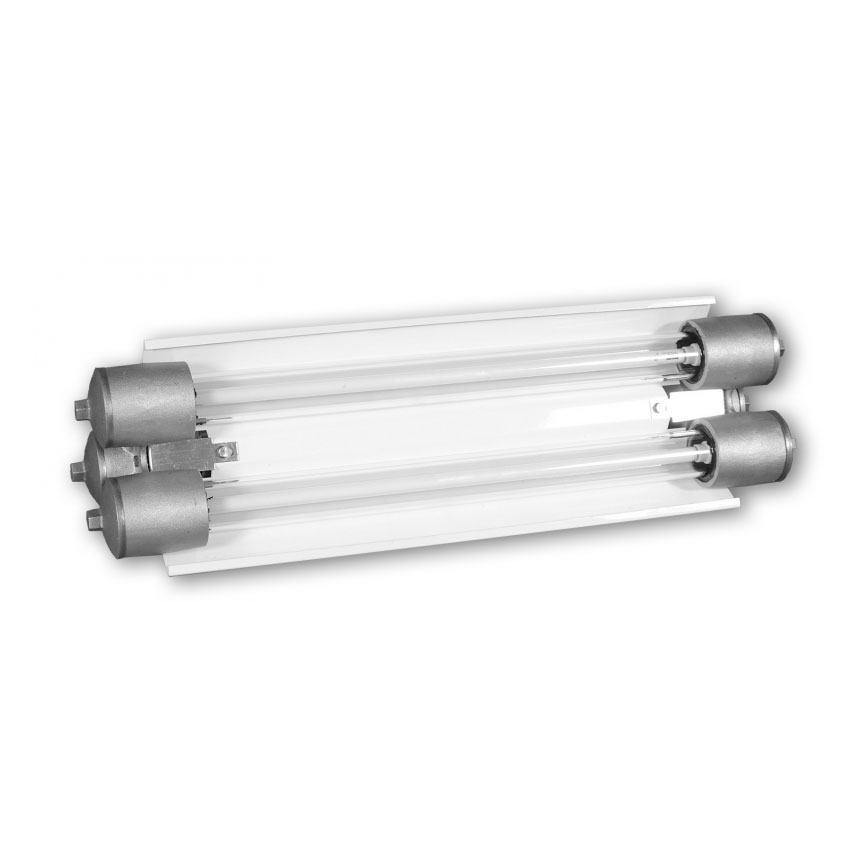
Explosion-proof LED paint booth light bulbs are specialized industrial illumination components engineered for hazardous spray environments, originating from high-safety manufacturing standards, featuring sealed architectures and thermal management to prevent the ignition of flammable volatile organic compounds (VOCs).
Regarding the definition of these specialized lamps, it is essential to look at how they integrate into hazardous locations. Specifically, these bulbs are designed to operate within fixtures that contain any potential spark or heat-triggered ignition within the housing itself.
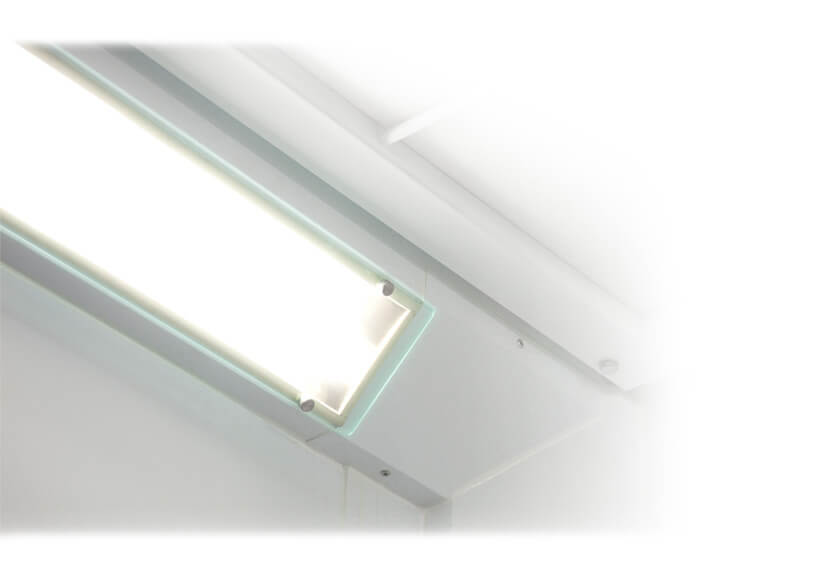
To understand the characteristics of these bulbs more clearly, we must examine their core attributes. These lamps typically utilize T8 or T5 form factors but replace the gas-filled glass tubes of the past with solid-state light-emitting diodes. This construction provides several key advantages:
- Thermal Resistance: Unlike traditional bulbs, these LEDs produce minimal external heat, keeping the surface temperature of the fixture well below the ignition point of paint vapors.
- Sealed Construction: The “explosion-proof” nature refers to the ability of the bulb and its accompanying fixture to withstand internal pressure and prevent the escape of sparks.
- Durability: Most LED replacements are made from polycarbonate or aluminum, making them far more resilient to the vibrations and accidental impacts common in a busy shop.
According to safety reports from the National Fire Protection Association (NFPA), implementing correctly rated lighting in Class I, Division 2 locations reduces the risk of electrical-related ignition events by over 60% compared to non-rated standard commercial lighting.
Which Technical Specifications are Vital for Color Accuracy?
There are three vital technical specifications for color accuracy: 5000K color temperature, a High Color Rendering Index (CRI 90+), and high lumen output, categorized according to professional automotive refinishing and industrial coating standards.
When selecting bulbs based on these specifications, shop managers must prioritize spectral consistency to ensure that the paint color applied in the booth looks identical under natural sunlight. Below, we delve into the specific grouping of these attributes.

Why is 5000K the Gold Standard for Paint Booths?
The 5000K color temperature is defined as “neutral white” or “daylight balanced” light, which closely mimics the spectrum of the sun at noon. To understand why this matters, consider that light with a lower Kelvin rating (3000K) appears yellow, while higher ratings (6500K) appear blue; both of these extremes distort the painter’s perception of the hue. By using 5000K bulbs, painters can identify the true pigment of the paint, ensuring that the blend between the new finish and the original bodywork is seamless.
Is a High CRI (90+) Necessary for Professional Color Matching?
Yes, a High Color Rendering Index (CRI) is absolutely necessary because it measures a light source’s ability to reveal the true colors of various objects in comparison to natural light. A bulb with a CRI of 90 or higher ensures that red pigments look truly red and metallics show their proper depth. Without this high rating, metamerism occurs—a phenomenon where the paint looks perfect inside the booth but appears as a completely different shade once the vehicle is driven out into the parking lot. Professional collision centers consistently report that switching to CRI 92+ lighting reduces “re-do” rates by approximately 15%.
LED vs Fluorescent Lighting and the Reasons to Switch to LED Replacements
LED replacements win on energy efficiency and lifespan, while fluorescent bulbs are initially cheaper but lose significantly on color stability, flicker-free performance, and long-term maintenance costs for industrial facilities.
In comparing these two technologies, the shift toward LED is driven by the clear performance gap that develops over time. Specifically, while both can provide light, the quality and cost-effectiveness of that light vary drastically after the first 1,000 hours of use.
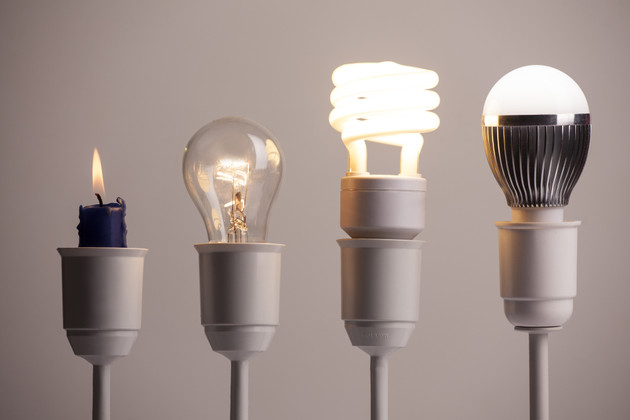
To illustrate the competitive advantages, let’s look at the primary criteria for comparison:
- Lifespan: LED bulbs typically last 50,000 to 100,000 hours. In contrast, fluorescent tubes begin to dim and shift in color after just 8,000 to 12,000 hours, requiring frequent and hazardous changes inside the booth.
- Energy Consumption: LEDs use 40% to 70% less electricity than T8 fluorescents to produce the same level of brightness (lumens).
- Stability: Fluorescents often flicker or hum as the ballast ages, which can cause eye strain and headaches for painters. LEDs provide instant-on, perfectly stable illumination.
A 2023 study by the Department of Energy (DOE) on industrial lighting found that facilities switching to LED tubes saw a return on investment (ROI) within 14 to 18 months solely based on energy savings and reduced labor costs for bulb replacement.
Are LED Replacements Required to be Explosion-Proof?
Yes, LED replacements must be explosion-proof because paint booths are designated Class I, Division 2 environments, require protection against flammable vapor ignition, and must strictly comply with OSHA safety standards for hazardous locations.
Regarding the legal and safety requirements of these bulbs, the answer is rooted in the classification of the workspace. Because a paint booth involves atomized flammable liquids, any electrical component that could fail and create a spark must be isolated from the atmosphere.

This requirement is non-negotiable for three primary reasons:
- OSHA Compliance: Standard 1910.107 mandates that all electrical equipment in a spraying area be specifically approved for hazardous locations.
- Insurance Liability: Using non-rated bulbs can void commercial insurance policies in the event of a fire or explosion.
- Structural Integrity: Explosion-proof bulbs are designed to stay intact even if the internal diode fails, ensuring no hot debris contacts the paint fumes.
The Occupational Safety and Health Administration (OSHA) enforces strict fines for non-compliant lighting, which can exceed $15,000 per violation for repeat offenders in the automotive refinishing sector.
Advanced Retrofitting and Specialized Maintenance for Spray Booths
Modern retrofitting involves three main methods: ballast-bypass LED installation, shatter-proof material selection, and spectral comparison against legacy systems to ensure consistent industrial lighting performance.
To extend the scope of our discussion, we must look at the micro-context of how these bulbs are maintained and integrated into older booths. Moving beyond basic replacement, specialized maintenance ensures that the lighting system remains safe and efficient for decades.

How Do Ballast-Bypass LED Tubes Simplify Retrofitting?
Ballast-bypass (Type B) LED tubes are a unique attribute of modern retrofitting because they eliminate the need for the fluorescent ballast entirely. To implement this, an electrician rewires the fixture to provide line voltage directly to the lamp sockets. This simplifies the system by removing the most common point of failure in a light fixture. Furthermore, by removing the ballast, you eliminate the hum and additional heat generated by old magnetic components, creating a cooler and quieter environment for the painter.
Why Should You Choose Glass-Free or Shatter-Proof Bulbs?
Choosing glass-free bulbs, typically made of polycarbonate, is a rare but vital safety attribute for high-end spray booths. If a traditional glass bulb breaks, shards can ruin a fresh clear coat, leading to hours of sanding and repainting. Polycarbonate LED tubes are virtually unbreakable and often come with a “shatter-proof” coating that prevents any debris from escaping even under extreme impact. This rare feature is highly recommended for booths that handle large industrial parts or heavy machinery where physical contact with fixtures is a higher risk.
LED and High Pressure Sodium Lighting Technologies That Are No Longer Modern
In contrast to the crisp 5000K white light of LEDs, High-Pressure Sodium (HPS) lamps are the antonym of effective paint booth lighting. HPS lights produce an intense yellow-orange glow that makes accurate color matching impossible. While HPS was once used in industrial settings for its high lumen output, it fails every modern criteria for CRI and safety in a spray environment. Transitioning from HPS or old Metal Halide lamps to LED not only improves visibility but also reduces the “warm-up” time to zero, as LEDs provide full brightness instantly.
In summary, upgrading your paint booth light bulbs is an investment that pays dividends in safety, quality, and cost. By focusing on 5000K, high-CRI, explosion-proof LEDs, you ensure your facility meets the highest professional standards.
Source:
- https://spraytech.com/wp-content/uploads/2022/02/interior-shot.jpg
- https://images.unsplash.com/photo-1513530534585-c7b1394c6d51
- https://cdn11.bigcommerce.com/s-fz66rhptih/images/stencil/930×420/uploaded_images/led-vs-flourescent-lights.jpg?t=1611690750
- https://images.unsplash.com/photo-1581092160562-40aa08e78837
- https://images.unsplash.com/photo-1504328345606-18bbc8c9d7d1
- https://www.collisionservices.com/images/prods/popup/1807472.jpg
