
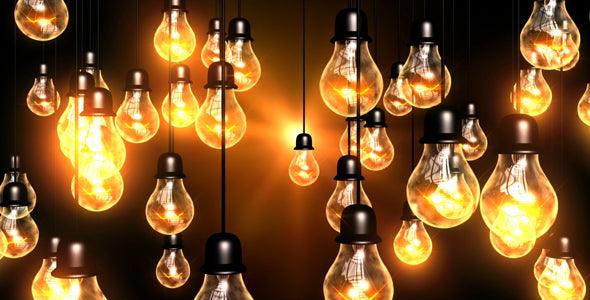
To shop for orange incandescent light bulbs effectively, you should prioritize finding high-quality C7 and C9 replacement lamps that offer a classic warm glow for holiday and party atmospheres. These bulbs provide a nostalgic aesthetic that modern alternatives often struggle to replicate perfectly. Next, we will explore the technical nuances that make these lamps a staple for seasonal decorators.
Understanding the fundamental differences between C7 and C9 sizes, along with their compatibility with E12 candelabra bases, is essential for a seamless installation. Specifically, selecting the right finish—whether transparent or ceramic—drastically alters the light diffusion in your indoor or outdoor space.
Furthermore, evaluating the benefits of traditional incandescent technology against LED alternatives helps determine the best fit for your budget and visual goals. While LEDs offer efficiency, the unique orange filament glow of incandescents remains unrivaled for creating spooky Halloween or cozy autumn moods.
Below, we provide a comprehensive guide detailing everything from wattage selection to safe storage practices to ensure your festive lighting remains vibrant year after year. Let’s dive into the core specifications of these decorative essentials.
What are Orange Incandescent C7 and C9 Bulbs?
Orange incandescent C7 and C9 bulbs are specialized decorative lighting sources featuring a vacuum-sealed glass envelope and a tungsten filament, designed specifically to emit a warm, festive orange light for seasonal displays and ambiance.
To understand the technical foundation of these lamps, we must look at their core components. Mined from the classic tradition of holiday lighting, these bulbs utilize a heated filament to produce light, which results in the characteristic “warm” color temperature that many homeowners prefer.

Specifically, the “C” in their name stands for “Cone” or “Conical” shape, a design that has remained largely unchanged for decades. These bulbs are categorized by their diameter in eighths of an inch, making them the industry standard for replacement lamps in stringers and nightlights. According to lighting industry standards, a traditional 7W incandescent bulb produces approximately 30-50 lumens, focusing more on color saturation than high-intensity illumination.
What is the difference between C7 and C9 Orange Bulbs?
C9 bulbs are larger and brighter than C7 bulbs, making the C9 variety superior for outdoor rooflines while the C7 is optimized for indoor trees and smaller decorative strings. This distinction is crucial for proper scale and visibility.
When comparing these two hyponyms of the incandescent family, the physical dimensions play the most significant role. A C7 bulb typically measures about 2 inches in height and 7/8 of an inch in diameter, whereas a C9 bulb is approximately 3 inches tall and 1 1/8 inches wide. In terms of power, C7 bulbs usually run at 5 to 7 watts, while C9 bulbs often consume 7 to 10 watts to provide greater throw for exterior displays.
Are these bulbs compatible with standard E12 Candelabra bases?
Yes, orange incandescent C7 bulbs are fully compatible with standard E12 Candelabra bases, providing a universal fit for most holiday string lights, nightlights, and small decorative chandeliers found in U.S. households.
Regarding this compatibility, the E12 base (12mm diameter) is the standard screw-in size for smaller decorative lamps. Most C7 bulbs are manufactured with this exact base to ensure versatility. However, it is important to note that while C7s use E12, many C9 bulbs use the slightly larger E17 (Intermediate) base, though E12-based C9s do exist for specific retrofitting needs.
What are the different types of Orange Bulb finishes available?
There are two primary types of orange incandescent light bulbs finishes: transparent and ceramic (opaque), classified based on the coating method and the resulting light diffusion patterns they create.
To illustrate the difference, we should examine how the light interacts with the glass. These finishes serve different aesthetic purposes depending on the desired mood. To help you decide, let’s look at the specific characteristics of each category below:
- Transparent Orange: These bulbs feature clear glass with an orange tint. They allow the glowing filament to be visible, creating a “sparkling” effect that is ideal for festive parties and high-glimmer displays.
- Ceramic/Opaque Orange: These are “triple-dipped” or painted with a solid orange coating. The light is diffused evenly across the surface of the bulb, resulting in a bold, solid color that looks vintage and classic.

Specifically, the triple-dipped ceramic finish offers a rare attribute of increased weather resistance, as the thicker coating protects the glass from minor abrasions. In contrast, transparent bulbs are often preferred for indoor settings where the intricate detail of the filament adds to the decor’s sophistication.
How to choose the right wattage for your Orange Festive display?
Choosing the right wattage involves three main levels—5W, 7W, and 10W—selected based on the proximity of the light to the viewer and the total length of the stringer set used.
Selecting the appropriate power level is vital for both aesthetics and electrical safety. Beyond just brightness, higher wattage results in more heat, which must be managed properly. To begin your selection process, follow these guidelines:
- 5 Watts: Best for dense indoor Christmas trees where multiple bulbs are clustered together.
- 7 Watts: The industry standard for C7 and C9 bulbs, providing a balance of visibility and safety for most Halloween and patio strings.
- 10 Watts: Primarily used for C9 bulbs on rooflines or large outdoor trees where the light needs to be seen from a distance (e.g., from the street).
Specifically, when using high-wattage incandescent bulbs, you must calculate the total load on your circuit. According to the National Electrical Code (NEC), you should not exceed 80% of a circuit’s capacity. For a standard 15-amp circuit, this means keeping your total lighting load under 1,440 watts.
Why choose traditional Orange Bulbs over LED?
Traditional incandescent bulbs win on aesthetic warmth and vintage color accuracy, whereas LEDs are the superior choice for energy conservation and long-term durability in permanent installations.
In contrast to the modern LED, the incandescent bulb is often favored for its “true” orange hue. Many designers argue that LEDs can sometimes appear too “pink” or “neon,” failing to capture the deep, amber-orange glow of a heated filament. However, the choice often comes down to the specific context of your project.

Do Orange Incandescent Bulbs fade faster than Orange LEDs?
Orange incandescent light bulbs tend to fade faster than LEDs when exposed to direct sunlight, as the heat from the filament combined with UV rays can degrade the exterior paint or dye over several seasons.
Regarding this rare attribute of color longevity, the ceramic “triple-dipped” incandescent bulbs are designed to combat this issue. While the filament itself won’t fade, the orange coating can flake or turn pale. To illustrate, a study on light bulb coatings suggests that high-quality ceramic dyes can maintain 90% of their color saturation for up to three seasons of outdoor holiday use.
Are there energy-efficient alternatives for high-count string lights?
Yes, Orange LED C7/C9 replacements are the primary energy-efficient alternative, consuming roughly 0.5 to 1 watt per bulb compared to the 7 watts consumed by traditional incandescent lamps.
Specifically, if you are planning a massive display with hundreds of bulbs, LEDs become almost mandatory to avoid tripping breakers. While the incandescent offers the “correct” look for purists, the LED version allows for longer continuous runs—often up to 500 feet on a single plug—which is impossible with higher-wattage incandescent bulbs.
How to Safely Install and Store your Orange Replacement Bulbs?
Safe installation and storage require a three-step method—socket inspection, secure tightening, and temperature-controlled storage—to maximize the lifespan of the fragile tungsten filaments and glass envelopes.
Following these steps ensures that your investment in orange incandescent light bulbs lasts for many years. Because incandescent bulbs are made of glass and contain delicate filaments, they are much more susceptible to damage than plastic LEDs. Below is the recommended protocol:
- Inspection: Before screwing in a replacement bulb, check the E12 socket for corrosion or debris. A clean connection prevents arcing and premature bulb failure.
- Installation: Finger-tighten the bulb until it is snug. Over-tightening can crack the glass or damage the internal solder point.
- Storage: Store bulbs in a cool, dry place. Using original packaging or specialized “bulb crates” with individual slots prevents the bulbs from knocking against each other and breaking the filaments.
Specifically, sudden temperature changes are the leading cause of filament breakage during storage. According to consumer lighting reports, bulbs stored in climate-controlled environments have a 25% lower failure rate upon re-installation compared to those stored in uninsulated attics or garages.
- https://images.stockcake.com/public/b/4/a/b4a87c0b-9d13-4939-b938-5bbd18582d0f_large/glowing-edison-bulb-stockcake.jpg
- https://i.ytimg.com/vi/I30CNv7S28Q/maxresdefault.jpg
- https://arcangelelectric.com/wp-content/uploads/led-bulbs-rebrand-00-00-23-13-still088.jpg
- https://www.ankurlighting.com/cdn/shop/articles/the-guide-on-when-and-how-to-use-incandescent-light-bulbs-ankur-lighting.jpg?v=1695131129
