
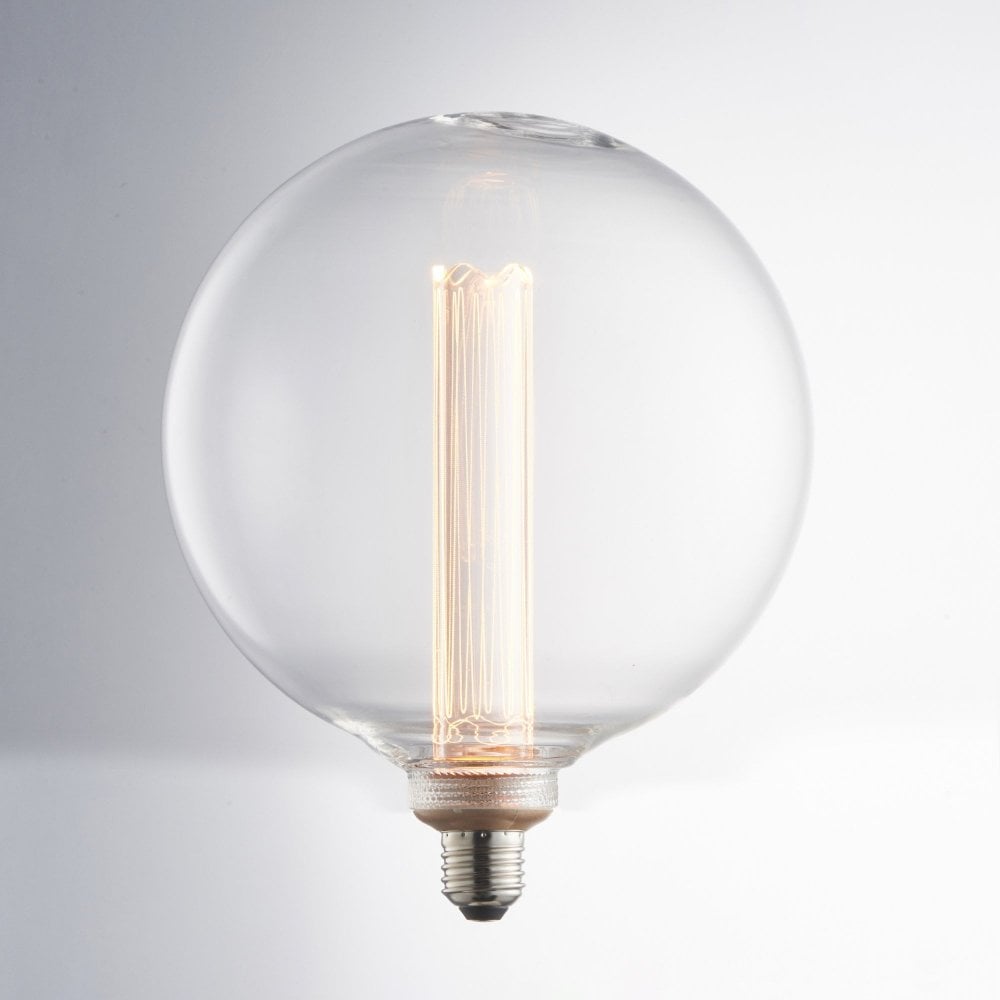
You can shop the best cylinder LED light bulbs by selecting high-efficiency tubular designs that prioritize high lumen output, E26 base compatibility, and dimmable functionality to enhance the minimalist aesthetics of modern residential spaces. These sleek lighting solutions offer a superior alternative to traditional bulbs, providing both directional and omnidirectional light while consuming up to 80% less energy.
Cylinder LED light bulbs, often referred to as tubular or T-style bulbs, are defined by their elongated, slim profile which allows them to fit into specialized fixtures like wall sconces and pendant lights. Understanding the distinction between various sizes, such as T10 and T12, is essential for ensuring a proper physical fit and the desired light distribution in your home.
Selecting the right cylinder LED involves verifying base compatibility with standard E26 sockets and choosing between aesthetic styles like clear filaments for a vintage look or frosted finishes for soft, diffused illumination. Technical specifications such as Color Rendering Index (CRI) and dimming performance further define how these bulbs will transform your interior environment.
Beyond basic illumination, high-quality cylinder bulbs integrate advanced thermal management and flicker-free technology to provide long-lasting, comfortable lighting for galleries, kitchens, and bedrooms. Below, we provide a detailed guide to help you navigate the technical specifications and aesthetic choices available in the modern cylinder LED market.
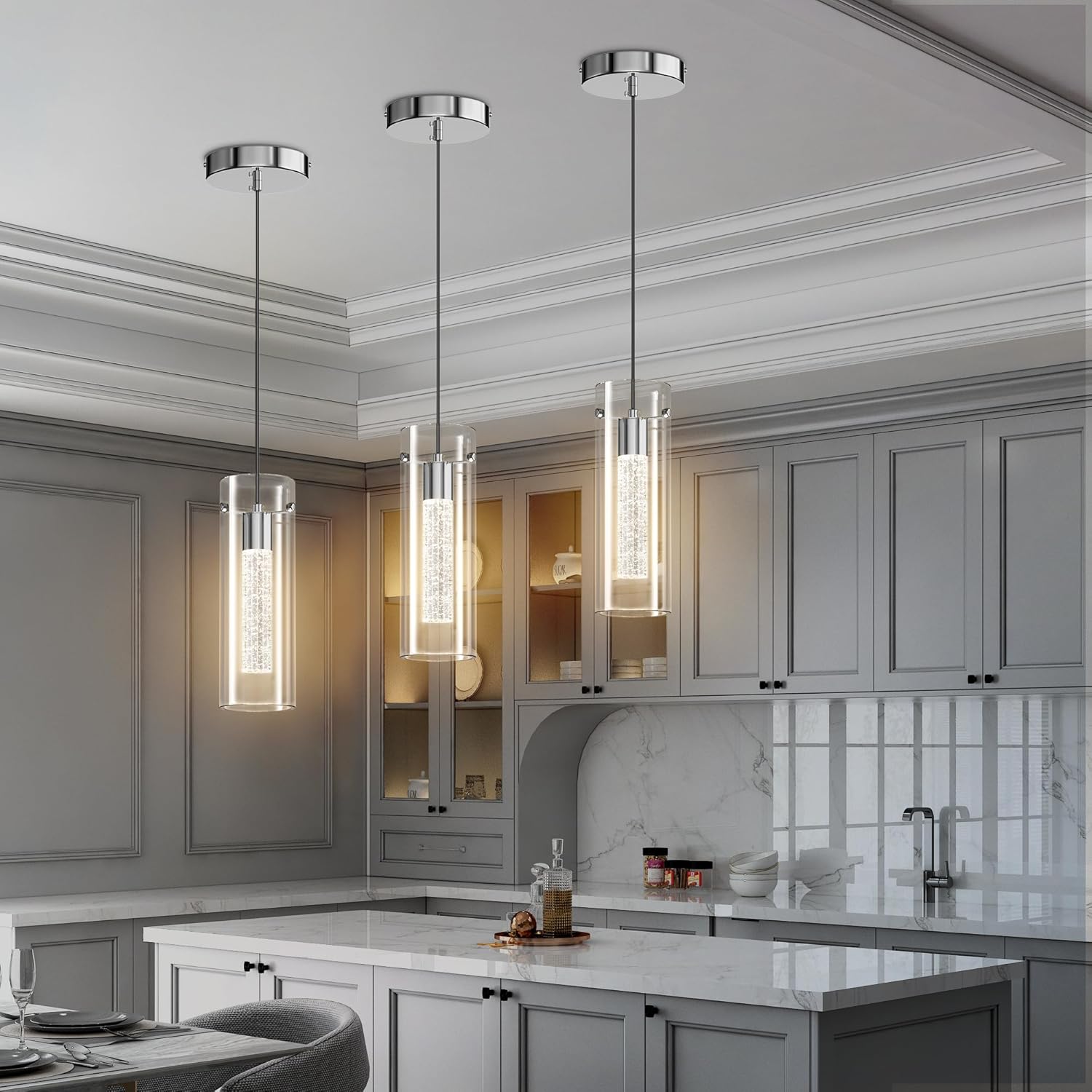
What are Cylinder LED Light Bulbs and Why are They Shaped Like Tubes?
Cylinder LED light bulbs are specialized tubular lamps characterized by their straight, column-like glass or plastic housings, originating from the need to provide uniform light in narrow fixtures where standard pear-shaped bulbs cannot fit. These bulbs utilize longitudinal LED arrangements to maximize surface area for light emission within a slim diameter.
To understand the unique identity of these bulbs, we must look at how their shape influences their function. Following this definition, let us explore the structural advantages of the tubular design.
The structural evolution of the T-series design
The “T” in T10 or T12 stands for “Tubular,” a design philosophy inherited from older fluorescent and incandescent radio-style bulbs. In the modern LED era, this shape has been perfected to house long-lasting SMD (Surface Mounted Device) chips or sapphire-based LED filaments. This column-like structure is not merely for show; it allows the bulb to emit light in a 360-degree radius, effectively eliminating the dark spots often found in directional “corn” bulbs or standard A-type bulbs with large plastic bases.
Aesthetics meeting modern architecture
Architects and interior designers favor cylinder LED light bulbs because they complement the vertical lines of modern sconces and slim pendant tubes. By mimicking the shape of the fixture itself, the bulb becomes an integrated part of the design rather than a protruding afterthought. This is particularly important in minimalist decor where every line is scrutinized.
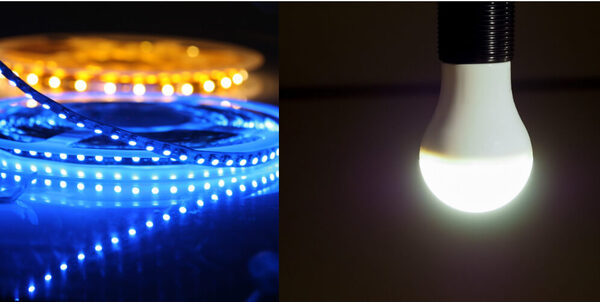
Understanding the Difference Between T10 and T12 Cylinder Bulb Sizes
T10 bulbs win in terms of slim clearances and versatility for narrow sconces, while T12 bulbs are better for applications requiring higher brightness and a more substantial visual presence in large decorative housings. The primary distinction lies in the diameter, measured in eighths of an inch.
Comparing these two sizes involves more than just a ruler; it requires an understanding of how volume affects heat and light. Specifically, here is how the dimensions break down.
Diameter and Dimensional Analysis
The numbering system for cylinder LED light bulbs is standardized:
- T10 Bulbs: These have a diameter of 10/8 of an inch (1.25 inches). They are the most common choice for “test tube” style fixtures.
- T12 Bulbs: These have a diameter of 12/8 of an inch (1.5 inches). They provide a slightly chunkier look and often carry more LEDs for increased lumen output.
While the diameter varies, the length of these bulbs can range significantly—from 4 inches to over 12 inches—depending on the specific model and brand.
Light Output and Thermal Performance
Because T12 bulbs have a larger surface area, they can often dissipate heat more efficiently than the ultra-compact T10 models. This allows manufacturers to drive the LED chips harder, resulting in a higher lumen count. However, for most residential sconces, the T10’s slim profile is preferred because it leaves enough “breathing room” between the bulb and the glass shade to prevent heat buildup. According to energy standards, maintaining a gap of at least 1/4 inch around the bulb is ideal for LED longevity.
Is the E26 Base Compatible with Standard Household Fixtures?
Yes, cylinder LED light bulbs with E26 bases are compatible with standard household fixtures because they utilize the universal 26mm “Medium” screw diameter found in the vast majority of North American lamps, ceiling fans, and wall lights. This compatibility ensures a “plug-and-play” experience for most users.
Since compatibility is confirmed for the majority of cases, we should examine the specific applications where this E26 base excels. Below are the details regarding its widespread use.
The Universal Standard for North American Sockets
The E26 (Edison 26mm) base is the “gold standard” for residential lighting in the United States and Canada. When you purchase a cylinder LED with an E26 base, you are getting a bulb that fits the same socket as a standard 60W incandescent A19 bulb. This makes it incredibly easy to “retrofit” or upgrade older, energy-hungry fixtures to modern, sleek LED cylinders without needing an electrician or socket adapters.
Fixture Suitability and Clearance
While the base will fit the socket, the cylindrical shape means you must check the “Total Length” of the bulb. Standard A19 bulbs are about 4.4 inches tall; some cylinder LED light bulbs can reach 5, 8, or even 12 inches.
- Wall Sconces: Usually require bulbs under 6 inches.
- Grand Pendants: Can often accommodate 10-inch or 12-inch “tall” cylinders for a dramatic effect.
Always measure the height of your fixture’s glass shade before purchasing to ensure the tip of the cylinder does not poke out of the top.
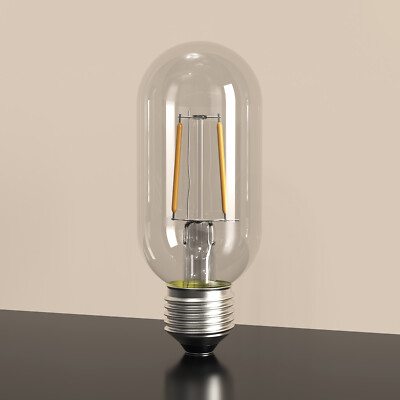
How Do Cylinder LEDs Compare to Standard A19 Bulbs?
Cylinder LEDs outperform A19 bulbs in specialized, narrow fixtures due to their slim 360-degree emission, whereas A19 bulbs are more cost-effective for general-purpose lamps where aesthetic shape is hidden by a large shade. The choice between them depends entirely on the fixture’s geometry.
To differentiate these two bulb types, we must look at their light distribution patterns. In contrast to the bulky A19, the cylinder provides a more uniform glow in elongated housings.
Aesthetic vs. Utility
Standard A19 bulbs have a wide “pear” shape that can look awkward or even fail to fit inside modern, narrow cylinder sconces. The cylinder LED light bulb solves this by maintaining a consistent diameter from base to tip. This allows for a “cleaner” look in transparent or semi-transparent fixtures where the bulb itself is a visible design element.
Beam Angle and Light Spread
Many modern A19 LEDs have a “snowcone” design where the bottom half is solid plastic (the heat sink), meaning they only cast light upwards and outwards (approx. 180–240 degrees). Conversely, high-quality cylinder LEDs often feature “filament” style or “COB” (Chip on Board) towers that provide a true 360-degree beam angle. This ensures that the bottom of a glass pendant is just as illuminated as the top, providing a balanced glow for the entire room.
Enhancing Ambiance with Dimmable Tubular LEDs
You can achieve the perfect home ambiance by combining dimmable cylinder LED light bulbs with a compatible ELV (Electronic Low Voltage) dimmer switch to reach brightness levels as low as 5% without flickering. This allows for a seamless transition from bright task lighting to soft evening glows.
The process of optimizing your dimming performance involves matching the bulb’s internal driver with your wall switch. Let’s explore the steps to ensure a flicker-free experience.
Choosing the Right Dimmer Technology
Not all dimmable LEDs are created equal. Because cylinder LEDs are compact, their internal drivers are smaller. To prevent the common “buzzing” sound associated with cheap LEDs, look for bulbs labeled as “Triac Dimmable” or “ELV Compatible.”
- Step 1: Verify the bulb is labeled as “Dimmable.”
- Step 2: Check your dimmer switch’s wattage rating; LED loads are much lower than incandescent ones.
- Step 3: Adjust the “trim” on your dimmer switch to set the minimum light level, preventing the bulb from dropping out or flashing at low power.
The Impact of Color Temperature on Ambiance
When dimming, the “vibe” of the room is heavily influenced by the Kelvin (K) rating. For a cozy, candle-lit feel in a living room, choose a 2700K Warm White cylinder bulb. For modern galleries or kitchens where clarity is key, a 4000K or 5000K Cool White bulb provides a crisp, daylight-like appearance that remains sharp even when dimmed.
Why Does Color Rendering Index (CRI) Matter for Picture and Gallery Lighting?
Color Rendering Index (CRI) is a quantitative measure of a light source’s ability to reveal the colors of various objects faithfully in comparison with a natural light source, with a score of 90+ being the “High CRI” gold standard for art. It determines whether your home decor looks vibrant or washed out.
Understanding CRI is vital for anyone using cylinder LEDs to highlight artwork. Specifically, the spectral accuracy of the bulb affects every color in your room.
Revealing the “True” Colors of Your Home
Standard LED bulbs often have a CRI of around 80. While acceptable for hallways or garages, an 80 CRI bulb can make reds look brownish and skin tones appear pale. In contrast, High CRI (90+) cylinder LED light bulbs include more “R9” (red) spectrum light. According to a study by the Lighting Research Center, light sources with higher CRI significantly improve visual clarity and perceived comfort in residential environments. If you are using cylinder bulbs in a “picture light” above a painting, a High CRI rating is non-negotiable for seeing the artist’s true intentions.
Can You Use Cylinder LED Bulbs in Fully Enclosed Fixtures?
No, you should not use standard cylinder LED light bulbs in fully enclosed fixtures unless they are explicitly “Enclosed Rated,” as the lack of airflow will cause heat to build up, significantly shortening the lifespan of the LED chips. Excessive heat is the primary cause of premature LED failure.
Since heat management is critical, we must distinguish between open and closed fixture types. Here are the technical reasons behind this restriction.
Heat Buildup as the Silent Killer of LEDs
Unlike incandescent bulbs that radiate heat outwards as infrared energy, LEDs produce heat at their base (the junction). In a sealed glass globe or an airtight cylinder fixture, this heat has nowhere to go. The internal temperature of the bulb’s driver can exceed 100°C, causing the electronic components to degrade. If your fixture is airtight, you must search for cylinder bulbs that feature advanced ceramic heat sinks or those specifically tested for “Enclosed Fixture” use. Using a non-rated bulb in an enclosed space can reduce a 25,000-hour bulb to just 2,000 hours of life.
Vintage Lighting Aesthetics from LED Filament to Frosted Cylinders
LED filament cylinders win for “industrial-chic” decors where the bulb is exposed, while frosted cylinders are superior for task lighting where a soft, shadow-free beam is required. Your choice dictates the visual texture of the room’s lighting.
This final comparison helps you choose the “finish” of your light. In contrast to the sharp lines of a filament, a frosted coating acts as a built-in diffuser.
The Charm of the Exposed Filament
LED filament bulbs use tiny strips of LEDs coated in yellow phosphor to mimic the look of old Edison bulbs. These are perfect for clear glass pendants over a kitchen island. They create “point source” light, which produces crisp shadows and a sparkling effect on glassware and countertops.
The Practicality of Frosted Diffusers
Frosted cylinder LED light bulbs are coated internally with a white powder that scatters the light. This is the “utility player” of the lighting world. It is much easier on the eyes, making it the better choice for bathroom vanity sconces where you don’t want to be blinded by a direct glare while looking in the mirror. Frosted bulbs provide a “wash” of light that fills a room evenly, reducing harsh contrasts.
In conclusion, choosing the right cylinder LED light bulb is a balance of technical specs (E26 base, T10/T12 size, CRI) and aesthetic goals. By matching the right diameter and finish to your modern fixtures, you can achieve a sophisticated, energy-efficient lighting scheme that lasts for decades.
Source:
