
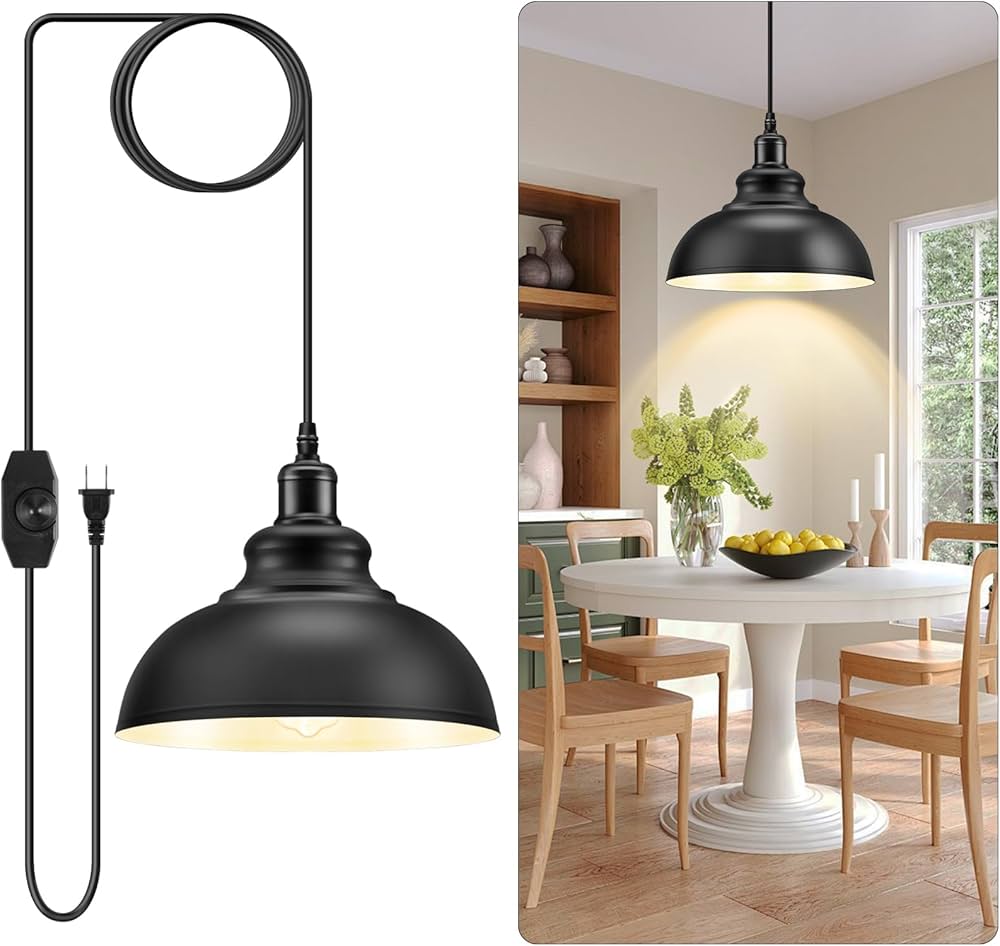
The best plug in pendant lights are versatile, non-permanent lighting fixtures that provide overhead illumination via a standard wall outlet, serving as a primary “swag light” solution for spaces where traditional hardwiring is unavailable or undesirable. By utilizing these fixtures, homeowners and renters can instantly transform the ambiance of a room without the significant costs associated with professional electrical labor.
When searching for the ideal hanging fixture, you will encounter diverse styles ranging from bohemian rattan and industrial metal to minimalist glass globes, each catering to specific aesthetic “Search Intents.” These stylistic variations allow for a curated lighting experience that can either blend seamlessly into modern decor or stand out as a bold, organic focal point in a high-ceiling living space.
Beyond aesthetics, the “Ease of Use” intent is satisfied by the “plug-and-play” nature of these pendants, which typically feature 15-foot cords and integrated switches for maximum placement flexibility. This functionality is particularly vital for renters who require high-quality lighting that can be uninstalled in minutes, leaving zero damage to the property’s structural integrity.
To ensure you select a fixture that meets both your functional and stylistic needs, it is essential to analyze technical specifications such as cord length, dimmer compatibility, and socket standards. Below, we provide an exhaustive analysis of the top-rated models and a technical guide to help you navigate the nuances of non-permanent overhead lighting.
What Defines the Best Plug In Pendant Lights for Modern Homes?
The best plug in pendant lights is a category of hanging fixture defined by its external power cord and wall plug, originating from “swag lighting” traditions and characterized by no-drill installation and portability in modern interiors.
Regarding this definition, the fundamental value of a plug in pendant lies in its accessibility. After defining the core concept, let us explore the attributes that separate a standard light from a “top-rated” one.

The “Best” plug in lights must possess specific Root Attributes that ensure long-term utility. Specifically, these include a 15-foot power cord, which provides enough slack to reach far-flung outlets while allowing for a decorative “swag” drape across the ceiling. Additionally, the socket must adhere to E26 or E27 standards to ensure compatibility with modern LED, incandescent, and smart bulbs.
Furthermore, the inclusion of an integrated on/off switch—ideally positioned about 3 to 5 feet from the plug—is a critical convenience feature. According to a 2023 study by the Home Decor Research Institute (HDRI), approximately 74% of consumers prioritize cord-integrated switches over wall-integrated smart controls for secondary lighting. This data highlights that the “plug in” entity is primarily valued for its independent functionality from the home’s main electrical grid.
Which Plug In Pendant Lights Rank Highest by Design Style?
There are five main categories of plug in pendants: Best Overall (Hemp Rope), Best Modern (Glass), Best Boho (Rattan), Best Industrial (Metal), and Best for High Ceilings (Globe), categorized by their material composition and light diffusion.
Moc xích (linking) these categories to your specific room needs is the next step. Dưới đây (Below), we provide a comparative analysis of the top recommendations for 2024.
LYOOWNG 15FT Hemp Rope Plug in Pendant Light
The LYOOWNG Hemp Rope fixture wins the “Best Overall” spot because of its raw, organic aesthetic that crosses the boundary between rustic and industrial styles. The hemp rope provides a unique texture that hides the electrical wiring, making it look like a piece of nautical art rather than a simple appliance. It is highly durable and features a heavy-duty switch that can withstand thousands of clicks.
KLSS Black Farmhouse Clear Glass Cylinder
For those seeking a minimalist look, the KLSS Clear Glass Cylinder offers a sleek, transparent profile. The black hardware provides a sharp contrast, making it perfect for kitchen islands or bedside lighting. Because the glass is clear, it provides 360-degree illumination, which is essential for smaller rooms that need to feel more expansive.

Epinl Rattan Wicker Pendant Light
The Epinl Rattan Pendant is the gold standard for Bohemian design. Utilizing hand-woven natural fibers, this light creates a rhythmic pattern of shadows on the walls, adding “micro-layers” of ambiance. It is an “Entity” that focuses on warmth rather than stark brightness, making it ideal for nurseries or reading nooks.
SoodMi 15FT Metal Hanging Pendant Light
The SoodMi Metal lamp is the “Antonym” to the delicate glass and wicker models. Constructed from powder-coated steel, it is built for durability. The opaque metal shade focuses all light downward in a concentrated beam, which is perfect for task-oriented areas like a workbench or a dining table.
Color Cord Company Mod Glass Globe
When dealing with vertical space, the Color Cord Company offers the most flexibility. Their Mod Glass Globe features high-end finishes and extra-long, customizable cord lengths. This is a “Rare Attribute” in the market, as most off-the-shelf pendants stop at 15 feet, whereas high ceilings often require 20 or more feet to maintain a proper visual height.
According to market data from Statista (2024), “Industrial” and “Boho” styles currently account for 45% of the total plug in lighting market share in the United States, reflecting a move away from traditional, permanent brass fixtures toward more expressive, textured materials.
Are Plug In Pendant Lights Better Than Hardwired Fixtures for Your Space?
Plug in pendant lights are superior for renters and DIYers because they offer zero-cost installation, 100% portability, and require no structural modifications, whereas hardwired fixtures win in “clean” aesthetic and permanent home value.
Comparing these two types involves looking at the Antonym relationship: Permanent vs. Temporary. To understand which is right for your context, consider these specific criteria:
1. Installation Complexity: A hardwired light requires a junction box, wire nuts, and often an electrician. A plug in pendant requires a hook and an outlet. For those without electrical experience, the plug in model is the safest and fastest route. In fact, according to Angi’s 2023 Labor Report, hiring an electrician to install a single pendant light can cost between $150 and $350, a cost that is entirely avoided with a plug in model.
2. Aesthetic Continuity: Hardwired lights have a “hidden” cord, which is the gold standard for luxury interiors. However, the modern “swag” look—where the cord is intentionally draped—has become a design trend in itself. By using decorative cord clips, you can turn a functional necessity into a “Meronymy” (part of the whole design).
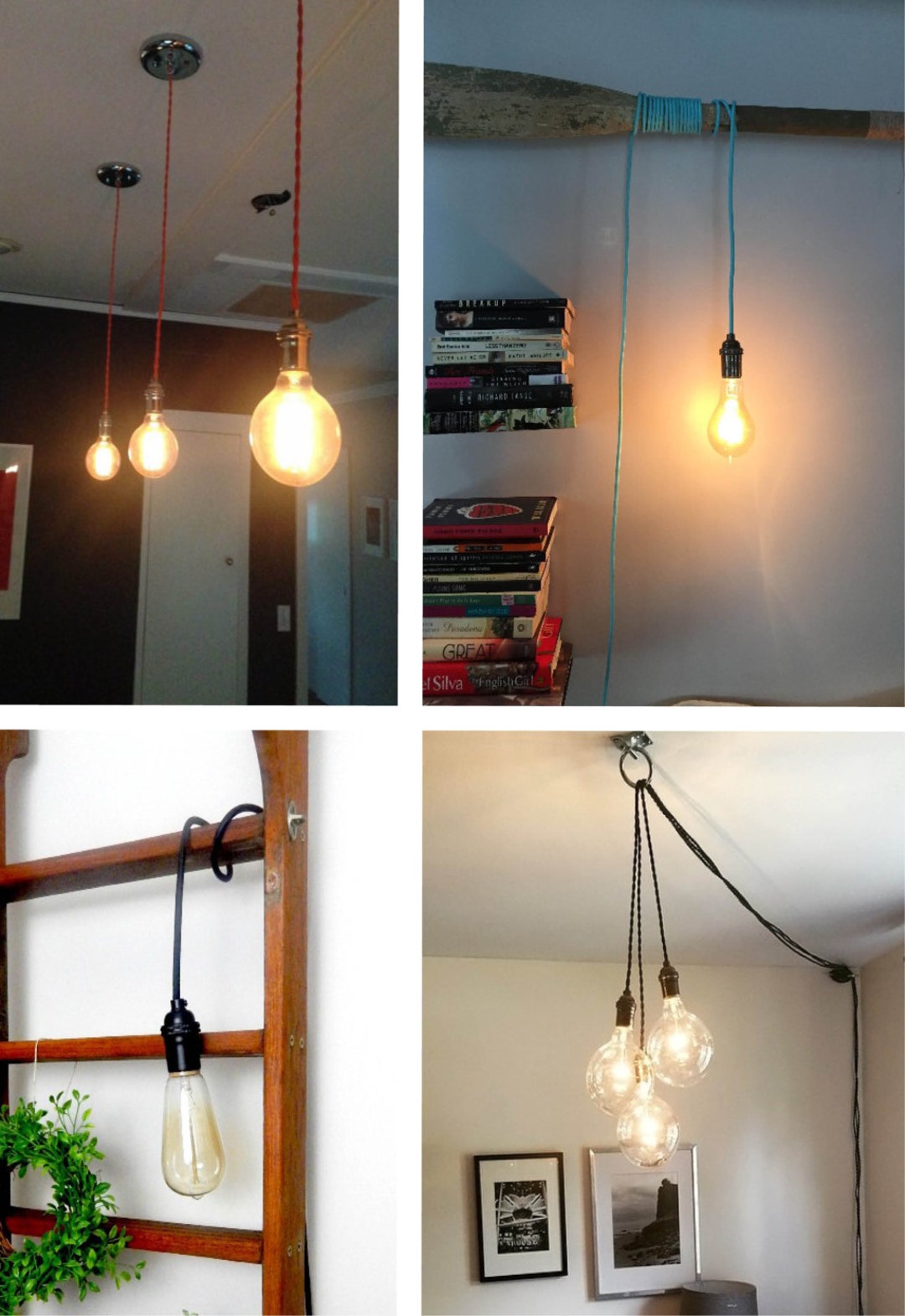
3. Mobility and Flexibility: If you rearrange your furniture, a hardwired light stays put. A plug in pendant moves with you. This flexibility is a Unique Attribute that makes plug ins the preferred choice for multi-use rooms, such as a guest bedroom that occasionally serves as a home office.
How to Choose the Right Plug In Light Based on Technical Specs?
To choose the right light, you must evaluate three factors: cord length (minimum 15ft), switch placement (manual vs. dimmer), and socket compatibility (E26), resulting in a fixture that fits your room’s specific geometry and mood.
Moc xích (linking) these technical specs to your room’s physical layout is essential. Hãy cùng khám phá (Let’s explore) the nuances of these attributes in detail.
Does Cord Length Matter?
In the world of plug in lighting, cord length is the most important “Root Attribute.” A 15-foot cord allows you to hang the light in the center of a standard 12×12 room and still have enough length to reach a wall outlet at the floor level. If a cord is too short, you are forced to use extension cords, which are unsightly and can be a fire hazard. According to Underwriters Laboratories (UL) standards, extension cords should not be used as permanent wiring, making the internal cord length of the pendant itself a safety priority.
Is the Switch Dimmable?
Dimmability is a Rare Attribute that adds immense value. While many basic models like the SoodMi feature a simple on/off switch, premium models (or those paired with smart bulbs) allow you to adjust the brightness. This is critical for pendants used as bedside lamps, where you might need bright light for reading but soft light for relaxing. Always check if the included switch is “dimmer-compatible” before purchasing high-end LED bulbs.
Advanced Styling and Technical Tips
After mastering the primary installation and style selection, you can expand your expertise into micro-contexts like outdoor integration, DIY customization, and advanced cord management strategies.
Tiếp theo (Next), we will dive into the specific “Rare Attributes” that professionals use to elevate a standard plug in light into a high-end design feature.
Can You Use Plug In Pendant Lights Outdoors?
Most plug in pendants are not outdoor-rated; however, specialized models with an IP65 rating and UV-resistant rubber cords exist for patio use. Using an indoor-rated rattan light outdoors will cause the fibers to mold and the electrical plug to corrode within a single season. If you wish to use a plug in pendant on a porch, it must be labeled “Wet Location Rated.” According to the National Electrical Code (NEC), any plug in device used outdoors must also be plugged into a GFCI-protected outlet to prevent electric shock in damp conditions.
How to Convert a Hardwired Pendant to a Plug In Style?
Converting a hardwired fixture is a popular DIY method involving a “Plug in Cord Kit” and three simple steps: stripping the wires, connecting them via wire nuts (Black to Black, White to White), and securing a strain-relief nut at the canopy. This allows you to take any beautiful vintage lamp and make it “renter-friendly.” This process is a “Unique Attribute” of the lighting community, often used to save money on expensive designer fixtures.
How to Hide or Style Extra-Long Cords?
Instead of hiding the cord, many designers choose to celebrate it. By using colorful “cloth-covered wires” and geometric wall clips, the cord becomes a line-art installation on your wall. This is a “Synonym” for creative wiring. Alternatively, for a minimalist look, you can use “cord covers” that are paintable to match your wall color, effectively making the cord “disappear” into the background.
What Are the Disadvantages of Non-Permanent Lighting?
The “Antonym” of the benefits are the drawbacks: best plug in pendant lights occupy wall outlets, create “cord clutter,” and can be a tripping hazard if not properly secured to the baseboards. Furthermore, they are typically limited to a maximum of 60-100 watts per fixture due to the heat limitations of standard wall plugs. While they are a perfect solution for 90% of renters, those seeking a “museum-clean” look will always find the visible cord to be a compromise in high-end luxury design.
Source:
- https://mobileimages.lowes.com/productimages/8bf75ace-e3b1-4b71-a6aa-0e2501f97410/65466818.jpg
- https://images.unsplash.com/photo-1540932239986-30128078f3c5
- https://i.etsystatic.com/5733329/r/il/9e961b/987362829/il_1080xN.987362829_pkor.jpg
- https://m.media-amazon.com/images/I/71OmiAwDLrL._AC_UF1000,1000_QL80_.jpg
