
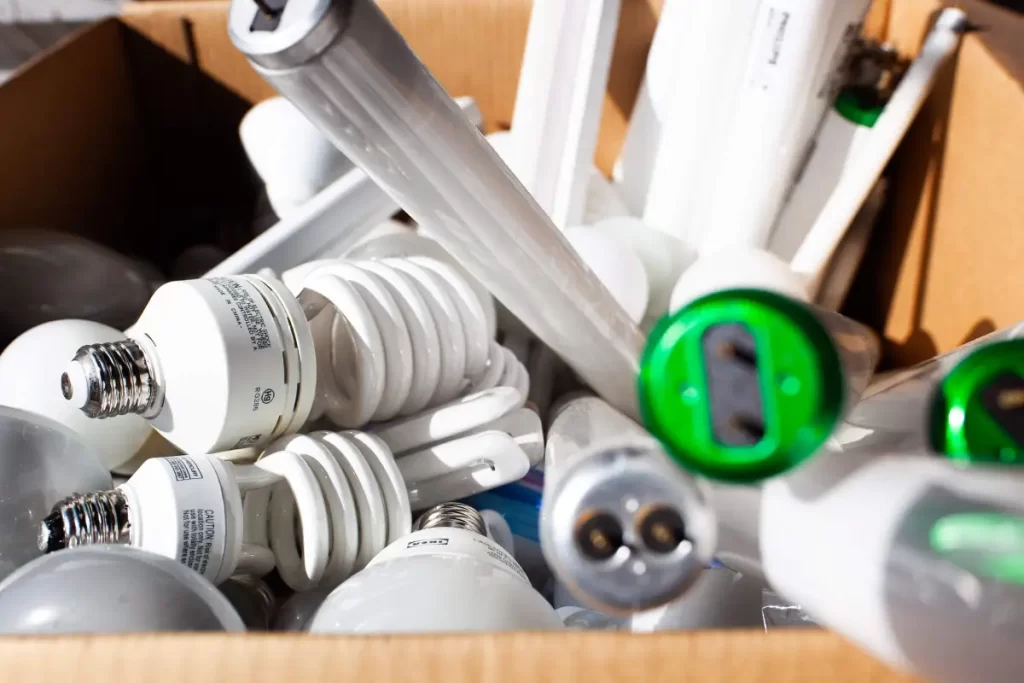
Are fluorescent light bulbs hazardous waste? Yes, fluorescent light bulbs are classified as hazardous waste because they contain mercury, they pose significant neurotoxic risks if broken, and they require specialized treatment to prevent environmental contamination of soil and groundwater. Under federal and state regulations in the United States, these items cannot be discarded in regular household trash due to their potential to release toxic vapors during the waste management process.
The primary reason for this hazardous designation is mercury, a heavy metal that is essential for the bulb’s operation but dangerous to human biology. Exposure to even small amounts of mercury vapor from a single broken tube can lead to serious health complications, making it necessary to treat these bulbs with the same caution as other household chemicals.
Safe disposal involves utilizing specific recycling channels such as local household hazardous waste (HHW) programs or retail take-back services provided by major home improvement stores. By diverting these bulbs from landfills, consumers help recover valuable materials like glass and aluminum while ensuring that mercury is sequestered and processed safely.
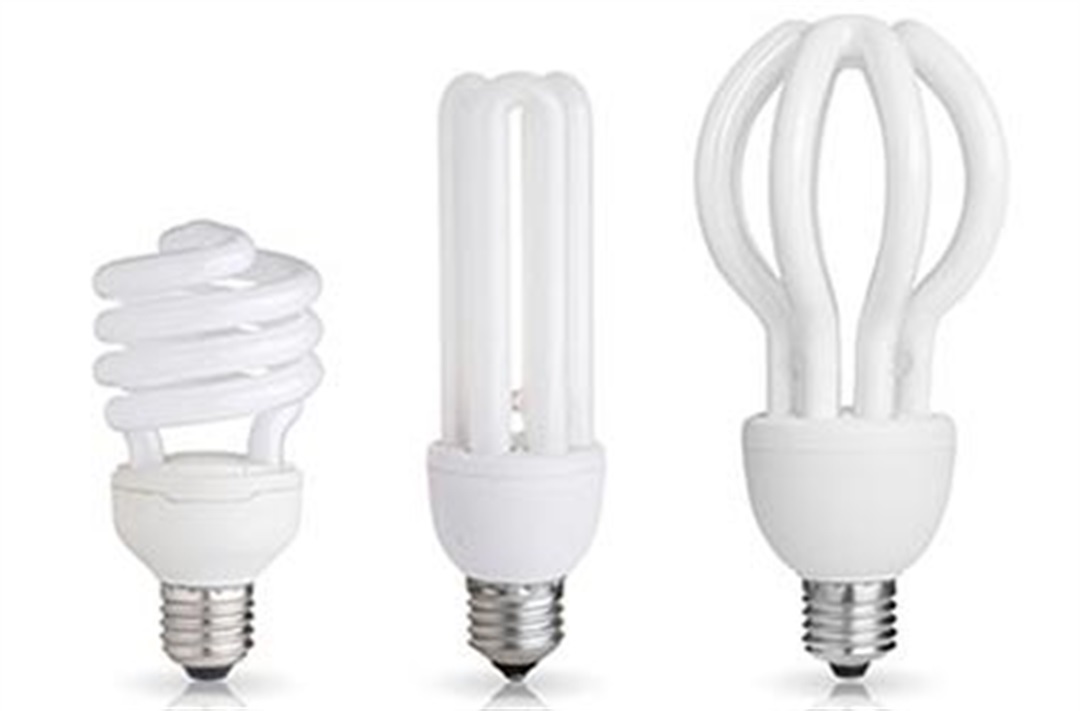
Understanding the distinction between traditional fluorescent tubes, compact fluorescent lamps (CFLs), and newer alternatives like LEDs is vital for any modern homeowner. Below, we provide a detailed breakdown of why these bulbs are regulated, how to identify them, and the exact steps you must take to protect your home and the environment.
Are Fluorescent Light Bulbs Hazardous Waste Legally Classified?
Yes, fluorescent light bulbs are hazardous waste because they contain toxic mercury, they fall under the EPA’s “Universal Waste” regulatory framework, and they pose an immediate inhalation risk to waste management workers if shattered. This classification ensures that these products are handled with specific safety protocols to prevent the release of heavy metals into the atmosphere.
The legal status of these bulbs is tied directly to the Resource Conservation and Recovery Act (RCRA), which dictates how toxic materials must be managed. Specifically, the categorization as “Universal Waste” is designed to encourage recycling by simplifying the collection rules for households and small businesses while still mandating that the final disposal occurs at a specialized hazardous waste facility.
Regarding the safety of these items, the risk is highest during transport and disposal. Specifically, when a fluorescent tube is crushed in a standard garbage truck, the mercury inside is instantly vaporized, creating a toxic plume that can be inhaled by anyone nearby.
According to a report by the Environmental Protection Agency (EPA) from the Office of Resource Conservation and Recovery in 2023, fluorescent bulbs are managed as universal waste to facilitate a higher recycling rate and reduce the volume of mercury entering municipal solid waste landfills.
Why is the Mercury in Fluorescent Bulbs Considered a Environmental Hazard?
Mercury is a naturally occurring toxic element found in fluorescent bulbs that serves as a catalyst for light production but acts as a potent neurotoxin capable of damaging the nervous system and contaminating ecosystems. Its unique ability to vaporize at room temperature makes it particularly difficult to contain once a bulb’s glass envelope is breached.
Mercury’s environmental hazard profile is largely due to its persistence and bioaccumulation. Specifically, when mercury enters the water table through landfill leaching, it is converted by bacteria into methylmercury, which then climbs the food chain, eventually posing a risk to human health through the consumption of fish and wildlife.

What are the Specific Health Risks of Mercury Exposure?
Mercury exposure is a clinical condition involving the inhalation or ingestion of mercury, leading to severe damage to the brain, kidneys, and lungs. Even low-level exposure from a broken bulb can trigger symptoms such as tremors, emotional changes, insomnia, and neuromuscular atrophy in vulnerable populations like children and pets.
- Nervous System: Causes sensory impairment and lack of coordination.
- Kidney Function: Leads to nephrotoxicity and impaired filtration.
- Developmental Risks: Highly dangerous for pregnant women and developing fetuses.
Where and How Should You Dispose of Fluorescent Light Bulbs?
There are three primary disposal methods for fluorescent bulbs: retail take-back programs, municipal hazardous waste collection, and mail-in recycling kits, categorized by their convenience and accessibility for the general public. Choosing one of these authorized paths is the only way to ensure the mercury is properly distilled and reused.
To ensure success, the disposal process must prioritize breakage prevention. Specifically, you should store used bulbs in a cool, dry place and transport them to a collection center in their original cardboard sleeves or a similar protective container to ensure they remain intact until they reach the recycler.
Which Major Retailers Offer Free Fluorescent Recycling?
Retail recycling programs are corporate-sponsored services offered by companies like Home Depot, Lowe’s, and IKEA that provide free in-store drop-off bins specifically for compact fluorescent lamps (CFLs). These programs are designed to lower the barrier to entry for eco-conscious consumers, making hazardous waste disposal as simple as a trip to the local hardware store.
- Home Depot: Accepts CFLs at most locations via orange collection bins.
- Lowe’s: Provides recycling centers near the entrance for CFL bulbs and batteries.
- IKEA: Offers comprehensive recycling for various bulb types, including tubes in some regions.
How Do Local Household Hazardous Waste (HHW) Programs Function?
HHW programs are municipal government initiatives that host scheduled collection events or operate permanent facilities to accept toxic materials like paint, chemicals, and fluorescent tubes from local residents. These programs serve as the final safety net for the community, ensuring that hazardous substances are diverted from the local environment and processed by certified professionals.
According to data from Earth911 in 2022, over 90% of the U.S. population has access to some form of local hazardous waste collection, though hours of operation and accepted materials vary by county.
Fluorescent and LED Bulbs Disposal Safety Compared
LED bulbs are the winner in terms of environmental safety due to their mercury-free construction, while fluorescent bulbs are significantly more hazardous because of their toxic heavy metal content. However, LEDs are still considered electronic waste and should be recycled to recover rare earth elements and plastics.
In a direct comparison, the environmental impact of a discarded fluorescent bulb is much more immediate. Specifically, while an LED bulb contributes to the growing issue of e-waste, a fluorescent bulb is a direct chemical threat that requires immediate containment and specialized decontamination protocols if it fails.

What Are the Technical Regulations for Managing “Universal Waste” Bulbs?
The Universal Waste Rule is a federal regulation established by the EPA to streamline the management of common hazardous wastes like lamps, batteries, and pesticides while ensuring they are recycled or disposed of properly. These rules reduce the administrative burden on generators, making it easier for businesses to comply with toxic waste laws.
The technical aspect of this regulation hinges on the Generator Status of the person or entity. Specifically, households are generally exempt from strict federal hazardous waste rules, but most states have enacted stricter local laws that prohibit any mercury-containing device from entering the municipal solid waste stream.
How Does the EPA Differentiate Between Hazardous and Universal Waste?
Universal Waste is a sub-category of hazardous waste that includes widely generated materials with lower relative risks during accumulation and transport. This distinction allows for longer storage times and less stringent labeling requirements compared to industrial hazardous waste, provided the materials are ultimately sent to a specialized recycling facility.
According to the Code of Federal Regulations (CFR) Title 40 Part 273, the Universal Waste designation was created to promote “the collection and recycling of these products” to prevent them from ending up in municipal landfills.
How Should You Clean Up a Broken Fluorescent Bulb Safely?
The safe cleanup method involves a 10-minute room ventilation, manual collection of debris with stiff paper or tape, and sealing the waste in a glass jar to contain mercury vapors. This process is the direct antonym of standard cleaning, as using a vacuum cleaner is strictly prohibited due to its tendency to spread mercury dust throughout the air.
- Step 1: Evacuate the room and ventilate for 10-15 minutes.
- Step 2: Use cardboard to scoop up large glass fragments.
- Step 3: Use duct tape to pick up fine powder and small shards.
- Step 4: Wipe the area with damp paper towels and seal everything in a jar.
Are HID and Mercury Vapor Lamps Handled the Same Way?
Yes, HID and Mercury Vapor lamps are handled identically to fluorescent bulbs because they both rely on mercury discharge to produce high-intensity light. These lamps are commonly found in street lights, gymnasiums, and large warehouses, and they contain even higher concentrations of mercury than standard household CFLs.
Because these lamps are industrial entities, their disposal is often subject to even more rigorous auditing. Specifically, businesses that replace these lamps in bulk must use a certified hazardous waste transporter to ensure compliance with the EPA’s manifest system, tracking the waste from “cradle to grave.”
In conclusion, fluorescent light bulbs hazardous waste are an essential but hazardous technology that requires responsible stewardship. By understanding the risks of mercury and utilizing the available recycling infrastructure, you can protect your local environment from long-term toxic contamination.
Source:
- https://www.kirklandwa.gov/files/sharedassets/public/v/1/public-works/recycling/cfls-thumb.jpg?w=1080
- https://www.shutterstock.com/shutterstock/videos/3772551413/thumb/12.jpg?ip=x480
- https://images.unsplash.com/photo-1565814329452-e1efa11c5b89
- https://i0.wp.com/berkeleyrecycling.org//wp-content/uploads/2023/10/BerkeleyRecycling-Fluorescent-bulbs.jpg?w=1200&ssl=1
