
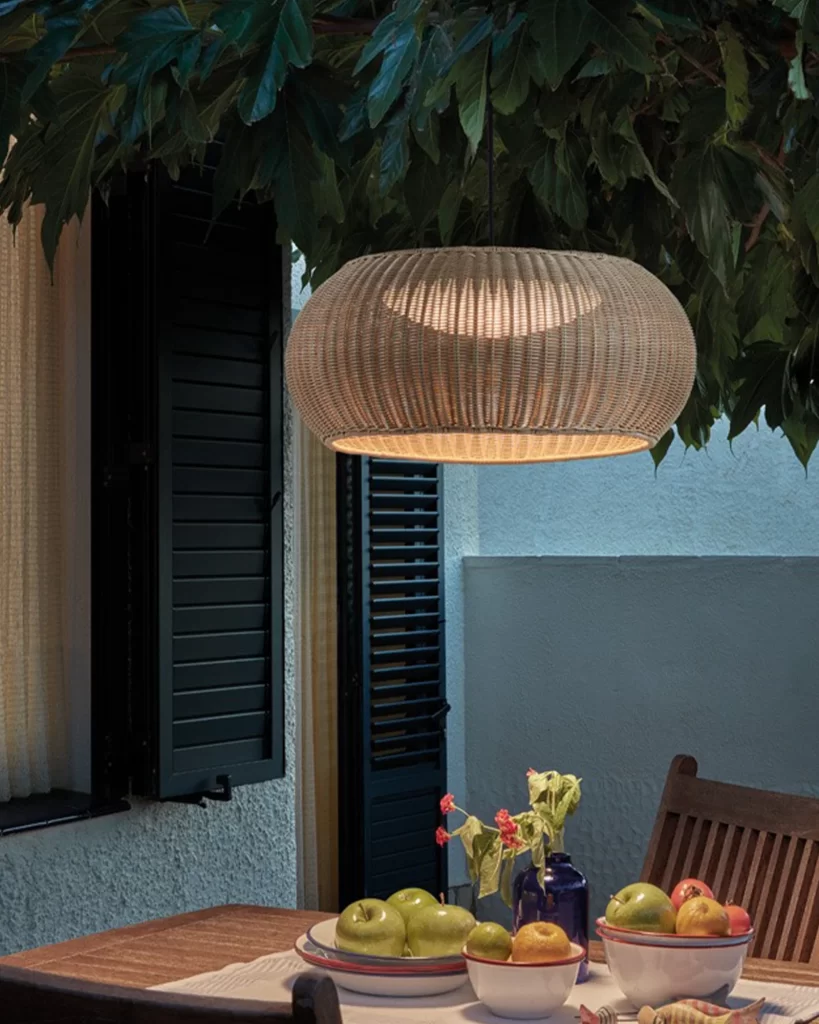
The 2026 selection of best outdoor pendant lights represents a fusion of high-performance engineering and interior-grade aesthetics designed to transform transitional spaces. Upgrading your exterior with these fixtures involves selecting durable, weather-resistant materials like solid brass and integrated LED technology that guarantees longevity and energy efficiency.
Defining a high-quality outdoor light requires an understanding of technical benchmarks such as IP ratings and material resilience against corrosion. These foundational elements ensure that your investment survives the rigors of rain, wind, and varying temperatures while maintaining its visual appeal over decades of use.
Our curated list for 2026 focuses on top-tier models ranging from modern farmhouse lanterns to coastal-inspired rattan pieces, ensuring every architectural style is accommodated. Whether you are illuminating a covered porch or an exposed backyard gazebo, identifying the right balance between style and utility is the key to a successful lighting plan.
Beyond aesthetics, the debate between solar-powered and hardwired solutions has evolved significantly with the introduction of high-lumen solar cells that rival traditional electrical outputs. To help you navigate these complex choices, we have developed this comprehensive guide to the most reliable and stylish illumination options. Below, we begin by exploring the core characteristics that separate premium outdoor fixtures from standard retail options.
What defines a high-quality outdoor pendant light?
A high-quality outdoor pendant light is a specialized lighting fixture engineered with non-corrosive materials and sealed electronics to provide safe, durable illumination in exterior environments. These fixtures are characterized by their “wet-rated” certifications and ability to withstand moisture without electrical failure.
Connecting the concept of high-quality lighting to technical specifications is essential for long-term performance. Specifically, the quality is determined by the synergy between the housing material, the ingress protection (IP) rating, and the efficiency of the light source itself.

The housing of a premium fixture typically utilizes heavy-duty metals like solid brass or high-grade aluminum. Unlike cheaper steel alternatives, these materials do not rust when exposed to humidity. Furthermore, high-quality units feature integrated LED modules rather than simple bulb sockets, allowing for better thermal management and a lifespan often exceeding 30,000 hours. This structural integrity ensures that the light remains functional and aesthetically pleasing despite constant exposure to the elements.
According to research from the Lighting Research Center (LRC) at Rensselaer Polytechnic Institute, as of 2024, integrated LED outdoor fixtures reduce maintenance costs by 65% compared to traditional incandescent models due to their resistance to vibration and temperature fluctuations.
Which are the best outdoor pendant lights for 2026?
There are six primary types of best outdoor pendant lights in 2026: Modern Farmhouse, Coastal Rattan, Mid-Century Modern, Mixed Material, Rustic, and Functional Utility, categorized by their architectural style and material composition.
Exploring these top-rated categories allows homeowners to match their specific outdoor structure with a light that complements the overall design language. For instance, a rugged gazebo requires a different aesthetic approach than a refined, covered front porch.
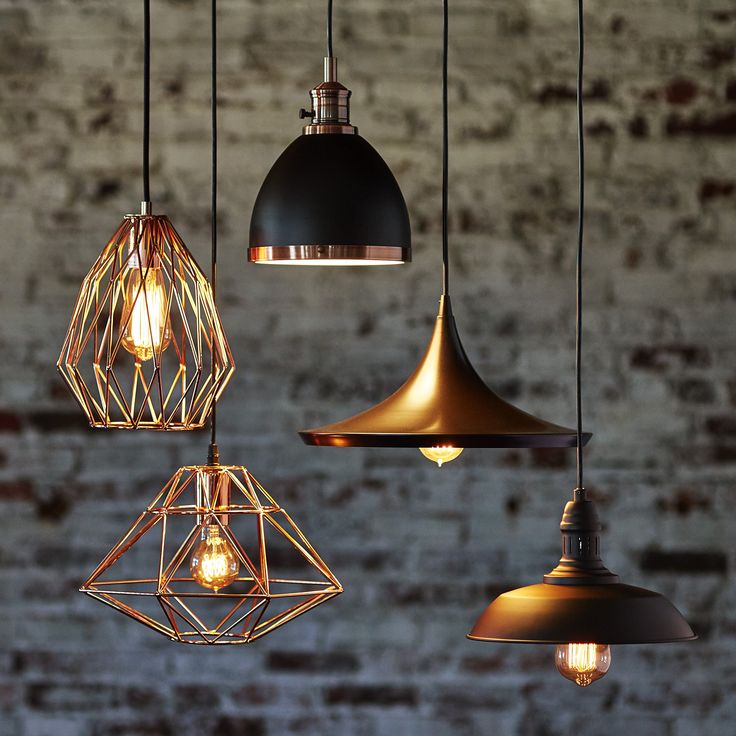
What are the top-rated pendants for covered porches?
Covered porches benefit most from fixtures that emphasize style and warm ambiance, as these areas are typically shielded from direct rainfall. Top picks for 2026 include:
- West Elm Boone Pendant ($299): A quintessential Modern Farmhouse metal lantern that provides a clean, structured look.
- Homkin Rattan Coastal Pendant ($121): Perfect for creating a breezy, relaxed atmosphere using natural-looking synthetic materials that resist mold.
- Pottery Barn Sloane Metal Dome ($700): A minimalist Mid-Century Modern piece that offers a sleek, sophisticated focal point for upscale entries.
Which pendant lights work best for open patios and gazebos?
Open structures like gazebos and pergolas demand fixtures with higher durability and specialized mounting systems to handle wind and direct water exposure. Recommendations include:
- HINKLEY Max Black Collection ($1,129): A robust rustic option designed for high-exposure environments with a heavy-duty chain mount.
- Birch Lane Marquette Outdoor Pendant ($1,305): Uses mixed materials that are chemically treated to prevent oxidation in open-air settings.
- VIANIS Black Outdoor Pendant: A functional aluminum choice that offers a high waterproof rating at an accessible price point for utility areas.
Is a solar-powered pendant better than a hardwired fixture?
Hardwired fixtures win on consistent brightness and reliability, solar lights are superior for ease of installation, and hybrid models are optimal for remote gazebos without electrical access. The choice depends on the specific power infrastructure of your outdoor space.
Evaluating the performance of solar versus hardwired options involves looking at the lumen output and the specific climate where they will be installed. While hardwired lights offer a “set and forget” reliability, modern solar technology has closed the gap significantly.

Can solar pendant lights provide enough brightness for outdoor dining?
Yes, solar pendant lights can provide sufficient brightness for outdoor dining by utilizing high-efficiency monocrystalline panels, high-capacity lithium batteries, and low-draw LED chips that produce over 1200 lumens of light.
Specifically, the APILAB Solar Shed Light reaches 2000 lumens, which is more than enough to illuminate a standard dining table. This efficiency is achieved through the use of high-density LED arrays and 360-degree light distribution patterns. Modern solar units also feature remote-controlled dimming, allowing users to adjust the intensity based on the occasion, much like a traditional hardwired dimmer switch.
Do hardwired pendants offer better longevity in extreme climates?
Yes, hardwired pendants offer better longevity in extreme climates due to their lack of internal batteries, their reliance on stable household current, and their superior heavy-gauge metal construction. While solar batteries degrade after 3-5 years of exposure to extreme heat or freezing temperatures, hardwired fixtures have no such chemical components. The electrical connections are housed in sealed junction boxes, providing a permanent solution that can last decades without needing component replacements, making them the more sustainable choice for permanent structures.
According to a 2025 study by the Sustainable Energy Association, hardwired LED fixtures maintain 90% of their initial lumen output for up to 50,000 hours, whereas solar batteries lose approximately 20% of their storage capacity annually in climates with temperatures exceeding 90°F.
How do you choose the right IP rating for your outdoor space?
Choosing the right IP rating involves identifying the Ingress Protection code—a two-digit number where the first digit represents solid protection and the second represents liquid resistance—based on the light’s exposure to rain and dust. A higher rating indicates a more tightly sealed fixture capable of surviving harsher conditions.
Matching the IP rating to your specific installation site prevents internal short circuits and ensures safety. For example, a pendant under a deep porch roof requires less protection than one hanging from a gazebo beam.

There are three common IP categories for outdoor pendants:
- IP44: Splash-proof; suitable for “Damp Locations” like fully covered porches where the light is not directly hit by rain.
- IP65: Jet-proof; suitable for “Wet Locations” where the fixture may be exposed to direct rainfall and heavy spray.
- IP66/67: Waterproof; rare for pendants but used in areas prone to extreme storms or pressure washing.
For most patio and gazebo applications, seeking an IP65 rating is the industry standard for 2026. This ensures that even during a wind-driven rainstorm, the internal electrical components remain dry and operational. Materials like aluminum and brass are often used in tandem with these ratings to provide both a physical and chemical barrier against the environment.
How do coastal environments affect outdoor light selection?
Coastal environments affect outdoor light selection by introducing high levels of salt-air salinity and humidity, which accelerate the oxidation process of standard metals like steel and low-grade aluminum. Choosing the wrong material in these zones can lead to structural failure and unsightly pitting within months.
Understanding the chemical interaction between salt and metal is the first step in selecting a “coastal-grade” pendant. This specialized niche of lighting focuses on materials that are naturally inert or have protective coatings designed for marine environments.
Why is solid brass superior to aluminum in coastal areas?
Solid brass wins on corrosion resistance and longevity, while aluminum is better for budget-friendly inland applications. Brass is an alloy of copper and zinc that does not contain iron, meaning it cannot “rust” in the traditional sense. Instead, brass develops a natural patina over time—a thin protective layer that actually shields the metal from further decay. In contrast, even powder-coated aluminum can eventually pit and flake when the protective coating is scratched and salt air reaches the raw metal underneath. Therefore, for homes within 5 miles of the ocean, solid brass pendants are the gold standard for durability.
Are there pendant lights specifically designed for high-wind zones?
Yes, specialized high-wind pendant lights utilize rigid stems or reinforced aircraft cables rather than traditional link chains to prevent the fixture from swaying and crashing against structural beams. Products like the Kuzco Lighting Kona series feature these rigid mounting options. Furthermore, these designs often include aerodynamic glass shades or weighted housings to minimize the “sail effect” during heavy gusts, ensuring the light remains stationary and the glass components do not shatter during seasonal storms.
What is the difference between Indoor and Outdoor pendant lights?
Outdoor pendant lights are built with sealed wiring and non-corrosive metals to resist moisture, whereas indoor lights use open-socket designs and materials like chrome or untreated steel that quickly deteriorate in humid conditions. The primary difference lies in the safety listing and the internal protection against electrical arcing.
Distinguishing between these two categories is critical for home safety. Using an indoor-rated light in an outdoor gazebo can lead to fire hazards or electrical shocks due to moisture ingress into the wiring chamber.

Can you use a “Damp-Rated” light in a fully covered gazebo?
No, you should not use a “Damp-Rated” light in a gazebo because damp ratings are intended for high-humidity indoor areas like bathrooms or porches with four walls, whereas gazebos are open structures subject to “wind-driven rain” that requires a “Wet-Rated” (IP65+) certification. Even if the roof is solid, mist and lateral rain will eventually penetrate a damp-rated fixture, causing the internal circuitry to corrode or short circuit over time. Safety experts recommend always defaulting to a Wet-Rated fixture for any structure that does not have at least three solid walls.
How does smart technology integrate with solar outdoor pendants?
Smart technology is a unique attribute in 2026 pendants that allows for Bluetooth/Wi-Fi connectivity, enabling users to synchronize their solar lights with sunset-to-sunrise timers and motion sensors. Brands like Modern Forms have pioneered integrated LED pendants that can be controlled via smartphone apps. This integration allows the light to automatically dim to 10% brightness to save battery and ramp up to 100% when motion is detected, providing both energy efficiency and security for your patio or gazebo without the need for manual switches.
In summary, selecting the best outdoor pendant light for your porch, patio, or gazebo in 2026 requires a diligent evaluation of IP ratings, material composition—especially in coastal zones—and power sources. By prioritizing integrated LED tech and weather-resistant metals like brass and aluminum, you can create a safe, stylish, and long-lasting outdoor sanctuary.
Source:
- https://images.unsplash.com/photo-1606131731446-5568d87113aa
- https://ahouseinthehills.com/wp-content/uploads/2024/03/Pendant-Lights.jpeg
- https://images.unsplash.com/photo-1513694203232-719a280e022f
- https://thelightyard.co.uk/cdn/shop/articles/banner_image_case_study_ramsey_residence_honulul_-_landscape_at_night_1000x700_cropped_1975784a-fb23-4743-9ee9-2756f2e10a0a_1000x.png?v=1617321202
- https://www.kirbyelectric.com/wp-content/uploads/2018/09/bulb-2287759_960_720-848×480.jpg
- https://nookcollections.com.au/cdn/shop/files/Nook-Collections-Perris-Outdoor-Pendant-Light-010.webp?v=1741839930&width=1600
