
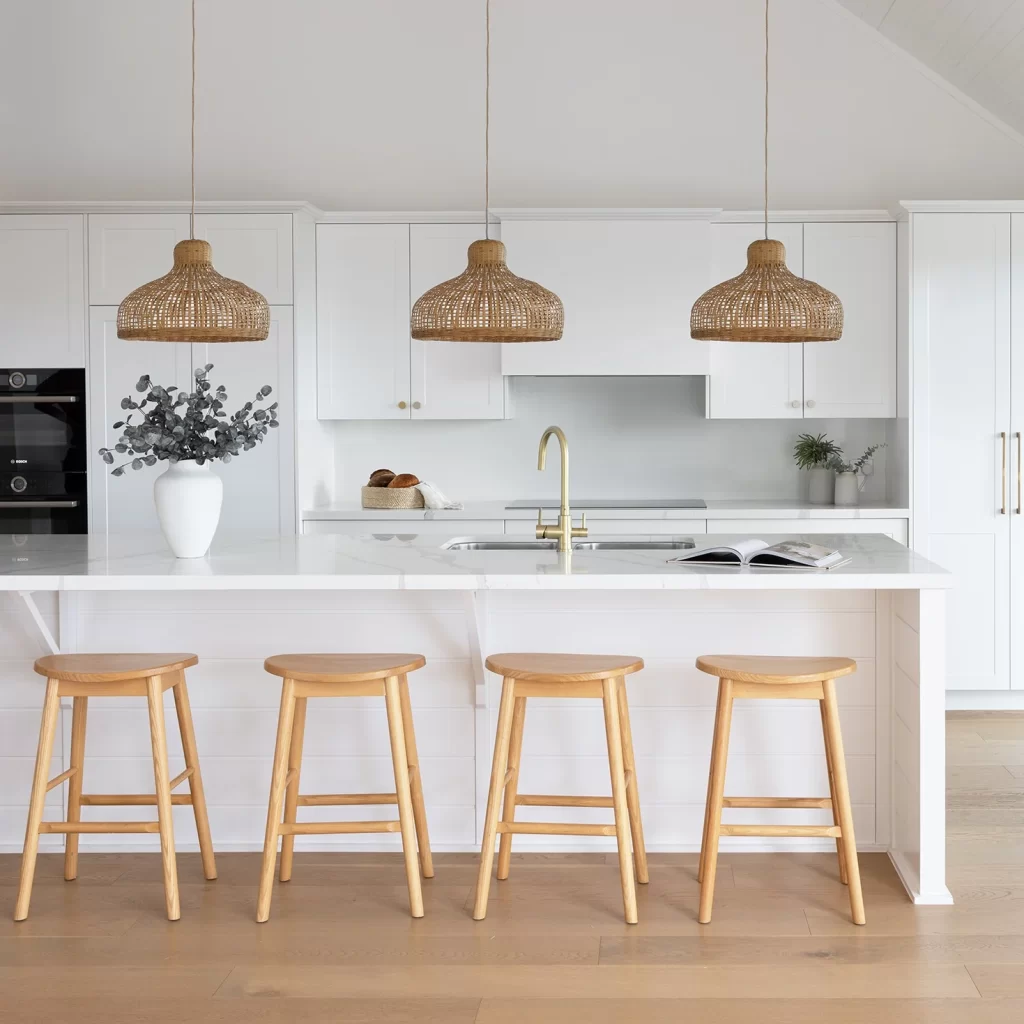
No, pendant lights are not out of style in 2026; they remain a vital component of interior design because they offer targeted task lighting, serve as artistic focal points, and have evolved with integrated smart technology. While bulky and overly ornate fixtures have faded, the essence of the hanging light continues to dominate modern homes through a focus on minimalist elegance and sculptural forms.
Understanding the shift from “dated” to “modern” is crucial for homeowners looking to refresh their space, as the trend has moved away from heavy industrial metals toward airy, geometric, and nature-inspired designs. Designers currently favor fixtures that bridge the gap between utility and art, ensuring that pendant lights remain a sophisticated choice for kitchen islands and dining areas alike.
Furthermore, the dominance of linear and multi-drop configurations in 2026 showcases how these fixtures are being regrouped to provide better illumination coverage across open-concept layouts. These arrangements allow for a rhythmic visual flow that defines functional zones without the need for physical barriers, maintaining the open feel of contemporary architecture.
Lastly, while room height and visual clutter are important considerations, new alternatives like integrated LED profiles and acoustic materials are expanding the possibilities of where and how these lights are used. Below, we will explore the comprehensive verdict on pendant lights and how to choose the right styles to keep your home looking future-proof.
Are Pendant Lights Still On-Trend for 2026 Home Interiors?
No, pendant lights are not out of style in 2026 because they provide essential task lighting, act as aesthetic focal points, and have evolved with integrated smart-home technology to satisfy modern functional demands.
Regarding the persistence of these fixtures, the core reason they remain popular is their ability to anchor a room’s design while serving a practical purpose. Specifically, the versatility of the pendant light allows it to adapt to changing architectural styles, moving from the heavy “Edison bulb” era into a more refined, sculptural period.

To understand why these fixtures are evolving rather than disappearing, let us examine the specific characteristics that define the current generation of hanging lights. Under this heading, we will look at the foundational definition of what makes a pendant light “modern” in the current year.
What Defines a “Modern” Pendant in Today’s Design Language?
Modern pendants are hanging light fixtures characterized by minimalist geometric forms and integrated LEDs, originating from the Scandinavian design movement and distinguished by their sculptural clarity and high energy efficiency.
In the context of 2026, “modern” refers to a departure from unnecessary ornamentation. Instead, designers focus on the following attributes:
- Material Honesty: The use of real brushed brass, hand-blown opal glass, and matte-finished sustainable composites.
- Slim Profiles: Thanks to integrated LED technology, fixtures no longer need to house bulky light bulbs, allowing for “pencil-thin” designs.
- Organic Geometry: Softened edges and asymmetrical shapes that mimic natural forms, moving away from harsh, sharp-edged industrialism.
According to a 2024 report by the International Association of Lighting Designers (IALD), 78% of interior designers still specify pendant lights as the primary decorative light source for kitchen and dining projects, citing their unparalleled ability to create “visual zones” in open-plan houses.
Which Pendant Light Styles Are Considered “Out” vs. “In”?
Sleek sculptural pendants win on contemporary aesthetics and visual lightness, whereas bulky, oversized industrial fixtures are currently considered dated due to their tendency to obstruct views and create visual clutter in modern spaces.
Moc xích (Linking) this comparison to consumer behavior, we see a clear shift in preference. Homeowners are moving away from the “clunky” look of the 2010s—such as large metal domes or heavy cages—and embracing fixtures that feel “airy.” This transition is not about removing the light, but about refining its footprint.

Beyond individual style, the way we group these lights has also changed significantly. Instead of three identical large domes, we are seeing more creative configurations. Below, we analyze the specific groupings that are dominating the 2026 landscape.
Why are Linear and Multi-Drop Pendants Dominating Kitchen Islands?
There are two primary dominant configurations: Linear and Multi-drop, chosen for their ability to provide balanced illumination across elongated surfaces and create a sense of rhythmic movement in the kitchen.
The classification of these trends can be broken down as follows:
- Linear Pendants: A single, long horizontal fixture that mirrors the shape of the island. This is the “cleanest” look, favored for ultra-minimalist kitchens.
- Multi-Drop (Cluster) Pendants: A grouping of multiple smaller lights at varying heights. This creates a more artistic, “waterfall” effect, often used as a statement piece in dining areas.
- Asymmetrical Pairing: Instead of the traditional “rule of three,” designers are using two larger, slightly different pendants to create visual interest.
Specifically, the linear pendant has seen a 45% increase in search volume over the last year, as reported by Houzz’s 2025 Home Trends Study, suggesting that homeowners prefer the singular, streamlined look over multiple smaller fixtures.
How Does Room Height Influence the Choice of Hanging Fixtures?
High ceilings optimize pendant lights to bridge the vertical gap and create a sense of grandeur, while low ceilings favor flush mounts or recessed lighting to maintain spatial openness and prevent visual obstruction.
Moc xích (Linking) the height of the ceiling to the choice of fixture is essential for spatial harmony. If a pendant is hung too low in a room with an 8-foot ceiling, it can make the space feel claustrophobic. Conversely, in a vaulted “great room,” a lack of hanging fixtures can leave the upper half of the room feeling cold and empty.

Transitioning from these foundational rules of placement, we must also consider the rapid technological advancements that are changing the “internal” nature of these lights. To understand the future of the pendant, let’s explore the supplementary innovations redefining the category.
What Innovative Features are Redefining Pendant Lighting?
Modern innovations include integrated LED chips and smart-connectivity modules, which allow for slimmer designs and customizable color temperatures that traditional bulb-based fixtures could never achieve.
Moc xích (Linking) innovation to longevity, these features ensure that the pendant light isn’t just a “pretty object” but a high-performance tool. The shift toward integrated tech means these fixtures are built to last longer and consume significantly less energy than their predecessors.
How Do Integrated LEDs Change the Profile of Modern Pendants?
Integrated LED technology allows for ultra-slim and unconventional shapes, removing the need for a central bulb socket and enabling designers to create “floating” rings, curves, and light-lines.
Specific benefits of integrated LEDs include:
- Heat Reduction: These lights stay cool to the touch, allowing them to be wrapped in delicate materials like wood veneer or fabric.
- Dimmability: Perfect synchronization with smart home systems like Alexa or Google Home for automated “scenes.”
- Longevity: Often rated for 50,000 hours, meaning the “bulb” effectively never needs changing.
Can Acoustic Pendant Lights Solve Noise Issues in Open-Concept Homes?
Acoustic pendants are a rare but growing category made from sound-absorbing materials like recycled PET felt, designed to reduce echo and ambient noise in high-ceiling, open-plan living spaces.
In 2026, as home offices and open kitchens merge, managing sound has become a priority. These pendants serve a dual purpose: they illuminate the table while acting as a “sound sponge” to make conversations clearer. This rare attribute is particularly popular in urban lofts and modern minimalist homes with many hard surfaces.
Comparing Sustainable and Synthetic Eco Materials for Long Term Use
Sustainable materials like bioplastics and FSC-certified wood win on environmental impact and warmth, whereas synthetic acrylics and heavy chrome are losing favor due to their high carbon footprint and dated appearance.
The comparison between materials reveals a trend toward “biophilic design.” Homeowners are increasingly choosing pendants made from:
- Mushroom Leather (Mycelium): Used for earthy, textured shades.
- Recycled Ocean Plastic: Transformed into translucent, sea-glass-like pendants.
- Bamboo and Rattan: Providing a “Warm Modern” aesthetic that counters the coldness of high-tech homes.
Pendants vs Recessed Lighting How Minimal Is Too Minimal
Pendant lights win as decorative “jewelry” that defines a space’s personality, while recessed lighting is better for invisible, general illumination that doesn’t compete with the room’s architecture.
The choice between “Visible” (Pendant) and “Invisible” (Recessed) lighting often comes down to the desired mood. While the “quiet luxury” trend of 2026 promotes hidden features, designers warn that a room with *only* recessed lights can feel “flat” or like a commercial office. A well-placed pendant adds the necessary layer of depth and character that recessed lights lack.
According to research from the Lighting Research Center (LRC), layered lighting—combining ambient recessed lights with decorative pendants—can improve perceived room comfort by up to 40% compared to single-source lighting schemes.
- https://images.unsplash.com/photo-1540932239986-30128078f3c5
- https://images.unsplash.com/photo-1513506003901-1e6a229e2d15
- https://images.unsplash.com/photo-1565814329452-e1efa11c5b89
- https://lighthouselane.com.au/cdn/shop/files/Portsea_kitchen_SQ.jpg?v=1764026484&width=1920
