
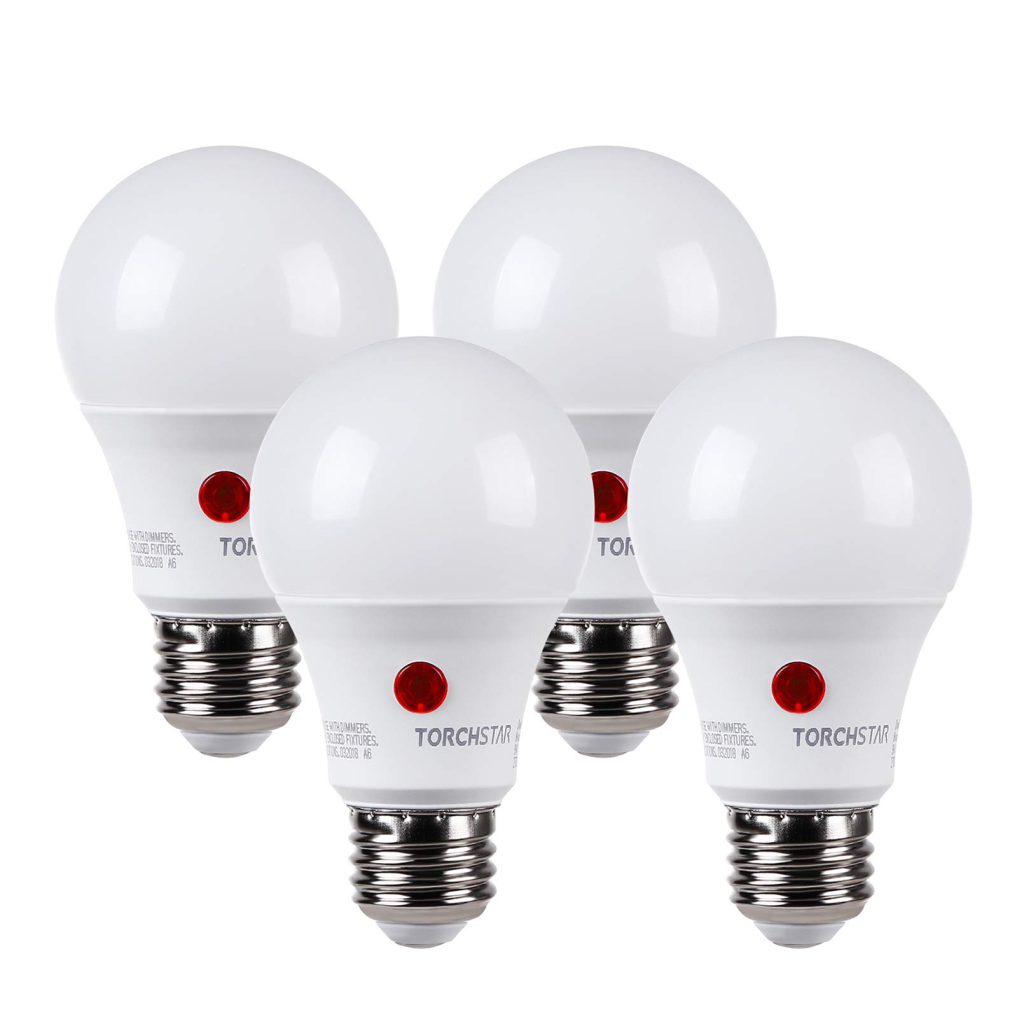
Yes, you can pack light bulbs on a plane because they are classified as standard household items that do not pose a direct security threat, provided they are packed to prevent breakage and meet specific chemical safety standards. To ensure a smooth journey, travelers must navigate the nuances of TSA regulations regarding different bulb technologies, such as energy-efficient CFLs and modern LEDs.
When preparing for your flight, it is essential to distinguish between the various types of bulbs, as the Transportation Security Administration (TSA) categorizes them based on their internal components like mercury or lithium batteries. These categories determine whether a bulb is more suitable for your carry-on luggage or if it requires specialized protection within a checked suitcase.
Deciding between carry-on and checked bags is a critical step in the process, as each option offers different advantages regarding fragility management and security accessibility. While carry-on bags are generally recommended for glass items to prevent rough handling, checked bags may be necessary for those transporting large quantities of bulbs for domestic or commercial use.
To guarantee your items arrive intact, following a professional packing method is vital for every traveler. Below, we provide a comprehensive guide on the exact steps and regulations you need to follow to transport your lighting equipment safely and legally.
Can You Bring Light Bulbs on a Plane?
Yes, you can pack light bulbs on a plane because they are not on the prohibited items list, they do not contain explosive materials, and they are considered essential household electronics for many travelers. These items are generally permitted in both carry-on and checked luggage, though the final decision always rests with the TSA officer at the security checkpoint.
Regarding the permission to carry these glass items, it is important to understand the underlying safety protocols. Specifically, the TSA allows most standard bulbs as long as they are presented clearly during the screening process if requested.

According to the Transportation Security Administration (TSA) official guidelines updated in 2024, light bulbs are not restricted by quantity, but they must be packed securely to prevent breakage, which could create a safety hazard for security screeners and baggage handlers.
What Are the TSA Regulations for Different Types of Light Bulbs?
There are three main types of light bulbs regulated by the TSA: LED, CFL, and Incandescent, categorized according to their chemical makeup and potential hazards during flight. Each type of bulb carries a different risk profile that travelers must acknowledge before heading to the airport.
To understand these regulations better, we must look at how technology impacts flight safety. Further details on these categories are explored below:

Are LED and Incandescent Bulbs Allowed in All Luggage?
LED and incandescent bulbs are standard glass and electronic items that are permitted in both carry-on and checked bags without significant restriction. Since these bulbs do not contain hazardous gases like mercury, they are viewed as low-risk items by airport security. However, because they are made of thin glass, they remain highly susceptible to pressure changes and physical impact during transit.
- LED Bulbs: Generally safe for all luggage; check if they contain integrated backup batteries.
- Incandescent Bulbs: Permitted everywhere but require the highest level of cushioning due to fragile filaments.
Why Do CFL Bulbs Have Special Packing Requirements?
Compact Fluorescent Lamps (CFLs) require special packing because they contain small amounts of mercury, a toxic substance that can be released if the bulb shatters in an enclosed aircraft cabin. TSA inspectors recommend keeping these bulbs in their original retail packaging to provide a secondary layer of containment and to prove the item’s safety specifications. If a CFL bulb breaks during screening, it can lead to temporary checkpoint closures for hazardous material cleaning.
Choosing Between Carry On and Checked Bags for Packing Light Bulbs
Carry-on bags win for fragile glass protection and security monitoring, while checked bags are better for bulk transport but carry a significantly higher risk of item shattering due to automated baggage handling systems. Choosing the right bag depends on the number of bulbs you have and your ability to cushion them against high-impact movements.
In the context of bag selection, the physical environment of the airplane’s cargo hold versus the overhead bin is a major factor. Specifically, the cargo hold undergoes more vibration and temperature fluctuations.

According to a 2023 baggage handling study by SITA, checked bags are 3 times more likely to experience high-impact collisions during loading than carry-on items, which are hand-placed by travelers, making carry-on the statistically safer choice for fragile glass.
How to Pack Light Bulbs for Air Travel to Prevent Breakage?
The Multi-Layer Cushioning Method involves four essential steps (Original Box, Bubble Wrap, Hard-Shell Case, Center Placement) to achieve a shatter-proof transport. This method ensures that even if the bag is dropped, the physical shock is absorbed by the outer layers before reaching the delicate glass.
To implement this packing strategy effectively, you should gather your materials before you begin your journey. Follow these steps to secure your lighting equipment:

- Step 1: Original Retail Packaging: Always use the bulb’s original box as it is designed specifically to support its shape.
- Step 2: Bubble Wrap Layer: Wrap the box in at least two inches of bubble wrap, securing it with tape to prevent slipping.
- Step 3: Internal Positioning: Place the wrapped bulb in the dead center of your suitcase, surrounded by soft clothing like sweaters or towels.
- Step 4: Hard Case Protection: If possible, place the cushioned bulb inside a hard-sided plastic container within your luggage.
Navigating Smart Bulbs and Hazardous Material Risks
Navigating smart bulbs and hazardous material risks involves understanding the micro-semantics of lithium-ion battery safety and the rare but serious protocols for mercury contamination in aviation environments. While standard bulbs are simple, specialized lighting technology introduces unique challenges for modern air travelers.
Beyond standard regulations, travelers must consider the specific internal components that might trigger an alarm at security. Here are the specialized considerations for unique bulb types:
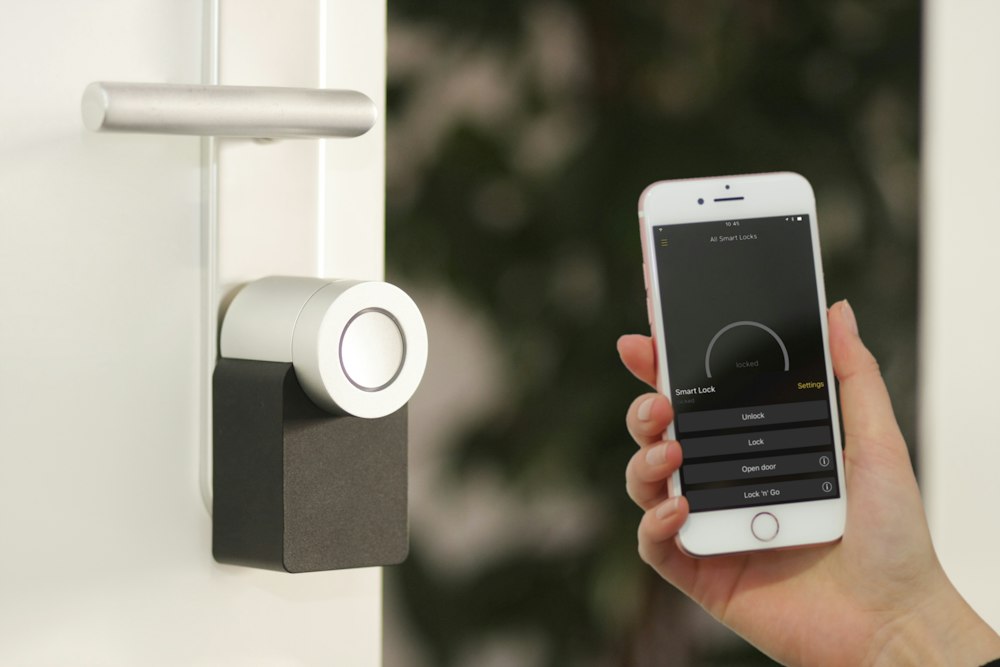
Are Smart LED Bulbs with Lithium Batteries Restricted to Carry-on?
Smart LED bulbs that feature integrated lithium batteries—often used for emergency lighting or color-changing features—must be placed in carry-on bags only to comply with FAA fire safety regulations. Lithium batteries pose a thermal runaway risk, and if a fire occurs, it must be accessible to the flight crew to extinguish it. If these bulbs are found in checked baggage, they may be removed by security during the scanning process without your presence.
How to Handle a Broken CFL Bulb and Mercury Exposure During a Flight?
If a CFL bulb breaks during a flight, you must immediately alert the flight crew and avoid inhaling the air directly over the break site to minimize mercury vapor exposure. Since the cabin air is recycled, crew members will use specialized biohazard or spill kits to contain the area safely. It is an extremely rare occurrence, but the antonymous relationship between “safe transport” and “hazardous spill” is exactly why strict packaging rules exist.
What Are the Rules for Oversized Vintage or Specialty UV Bulbs?
Oversized vintage Edison bulbs and specialty UV lamps are permitted, but their irregular shapes often require they be screened separately as “oversized electronics.” Because these bulbs often have thinner glass or specialized coatings, they are more prone to shattering under the cabin’s pressure changes. Travelers should inform the TSA officer before the bag goes through the X-ray if they are carrying oversized glass items to prevent manual handling that might cause damage.
Source:
https://assets.insuremytrip.com/wp-content/uploads/2021/10/27164852/tsa_3_1_1_rule_item_restrictions.webp
https://images.unsplash.com/photo-1550684848-fac1c5b4e853?q=80&w=1000
https://cdn.shopify.com/s/files/1/0012/6874/4281/files/Pakt-Day-Three-Lifestyle-Park-Hotel-p1-950_1024x1024.jpg?v=1664220919
https://images.unsplash.com/photo-1589939705384-5185137a7f0f
https://images.unsplash.com/photo-1558002038-1055907df827https://m.media-amazon.com/images/I/614F+80eUqL.jpg
