
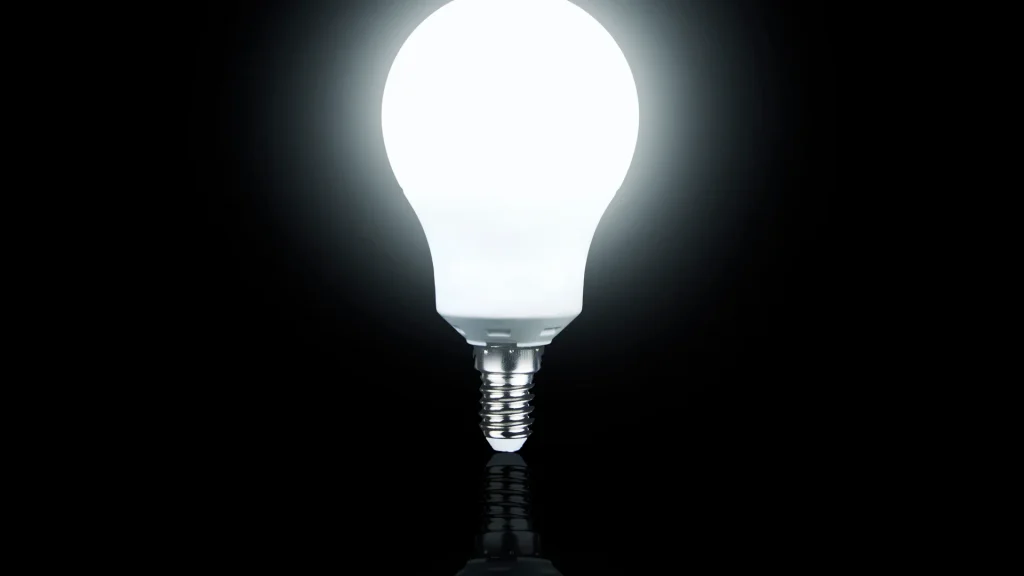
The white powder in light bulbs can be toxic or harmless depending on the specific lighting technology, as standard incandescent bulbs use safe kaolin clay while fluorescent bulbs contain hazardous mercury-laden phosphor. Determining the risk factor is essential for household safety, especially when a bulb shatters and exposes residents to fine particulate matter.
To identify the substance correctly, one must distinguish between the inert minerals used for light diffusion and the chemical phosphors that react with ultraviolet light. Understanding these materials helps homeowners react appropriately to breakages without unnecessary panic or dangerous cleanup mistakes.
Furthermore, comparing the danger levels reveals that modern CFLs pose a higher respiratory risk than older bulbs due to mercury vapor release. This distinction is critical because it dictates whether a simple sweep-up is sufficient or if a specialized hazardous material protocol must be followed to protect indoor air quality.
Finally, learning the mandatory cleanup steps ensures that mercury contamination remains contained and does not lead to long-term health complications. Below, we will explore the technical composition of these powders and the precise safety measures required for your home.
Is the white powder in light bulbs toxic?
Yes, the white powder in light bulbs can be toxic, specifically in fluorescent models, because it contains mercury, poses an inhalation risk when aerosolized, and can lead to cumulative neurological damage if not managed through proper safety protocols.

Understanding whether this substance is dangerous requires a closer look at the different technologies used in common household lighting. To understand this better, let’s explore the chemical differences between the powders found in various bulb types.
Is the powder in Incandescent bulbs just Kaolin clay?
Incandescent bulbs utilize a coating of kaolin clay, which is a naturally occurring, non-toxic mineral used to soften and diffuse light. Because kaolin is chemically inert, it does not pose a health risk if the bulb breaks. Households can treat the white dust from these traditional bulbs as standard glass debris without specialized chemical concerns.
Is the powder in CFL and Fluorescent tubes Phosphor?
Compact Fluorescent Lamps (CFLs) and tubes are coated with phosphor, a synthetic powder that glows when hit by UV radiation. While phosphor itself varies in toxicity, it is hazardous in this context because it is mixed with trace amounts of mercury (roughly 4mg per bulb). If the glass envelope is breached, the mercury adheres to the phosphor particles and escapes as a toxic vapor, making the “white powder” a vehicle for heavy metal exposure.
How Does the Danger Level Compare Between Incandescent and CFL Bulbs?
Incandescent bulbs win for safety because they use inert minerals, while CFLs are significantly more hazardous due to their mercury content and the potential for immediate vapor inhalation upon breakage. This comparison highlights why the “white powder” in a CFL is a much greater concern for household health than the clay dust in an old-fashioned bulb.
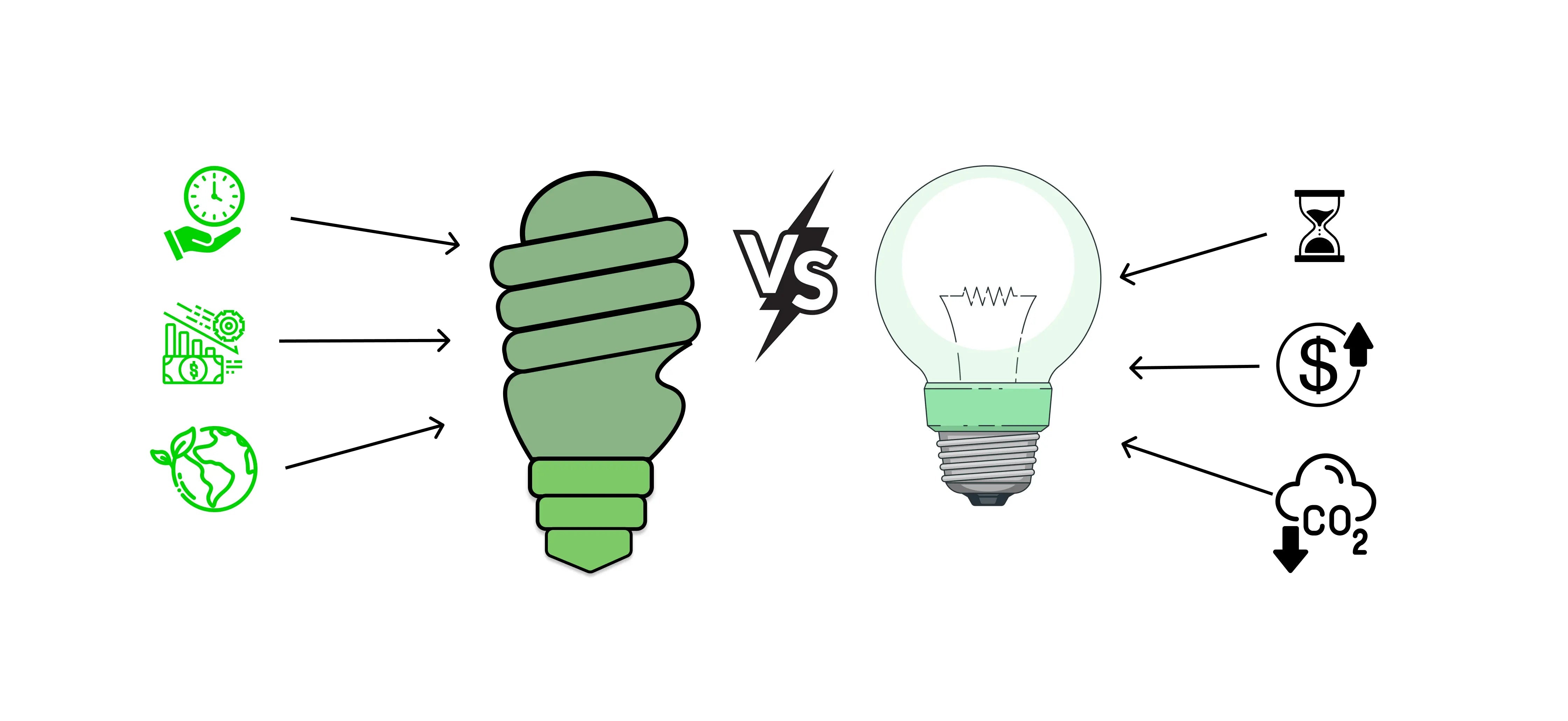
- Chemical Toxicity: Incandescents use Kaolin (clay), while CFLs use Phosphor mixed with Mercury.
- Exposure Route: Broken incandescents present a physical cut risk, whereas broken CFLs present a chemical inhalation risk.
- Environmental Impact: Incandescents can be disposed of in regular trash, but CFLs require hazardous waste handling.
According to the Environmental Protection Agency (EPA) from the Office of Emergency Management, in 2023, while the mercury in a single CFL is small, it is enough to contaminate a room’s air above safe levels if the area is not immediately ventilated.
What are the Mandatory Steps for Cleaning Up a Broken CFL?
A manual, low-tech cleanup method involving five specific steps—ventilation, mechanical scooping, adhesive lifting, outdoor sealing, and hand hygiene—ensures the most effective results for removing toxic powder and mercury vapor. This approach is designed to prevent the spread of contaminants while protecting the respiratory system of the person cleaning.
Implementing the correct procedure is vital to prevent turning a small accident into a long-term health hazard. Under this heading, we outline the critical “do’s and don’t’s” of light bulb maintenance.
Why should you never use a vacuum on light bulb powder?
You must never use a vacuum cleaner to clean a broken CFL because the vacuum’s exhaust will aerosolize the mercury-laden powder and spread toxic vapors throughout the entire house. This action forces the heavy metals into the air you breathe, potentially contaminating the vacuum itself and necessitating its disposal. Instead of mechanical suction, manual collection is the only safe way to handle the debris.
How to use tape and cardboard for safe powder removal?
To safely remove the powder, first use a piece of stiff cardboard or heavy paper to scoop up the larger glass shards and the bulk of the white powder in light bulbs into a glass jar or plastic bag. Next, use sticky tape—such as duct tape or packing tape—to pat the area repeatedly, picking up the microscopic glass fragments and fine phosphor dust that the cardboard missed. This “lift-and-seal” technique ensures that no toxic residue remains in carpet fibers or floor cracks.
Can Inhaling Light Bulb Powder Cause Immediate Health Issues?
Yes, inhaling light bulb powder can cause immediate health issues, primarily because mercury vapor irritates the respiratory lining, triggers headaches, and can cause acute shortness of breath in sensitive individuals. While the volume of powder is small, the lungs absorb mercury vapor rapidly, leading to fast-acting systemic effects.

The immediate reaction to a broken bulb is often a mix of physical irritation and psychological stress. To understand the immediate physiological impact, let’s look at the short-term symptoms reported after exposure.
Specifically, individuals may experience a metallic taste in the mouth, coughing, or redness in the eyes. These symptoms are typical signs of acute inhalation of chemical particulates. While these issues often resolve once the person is moved to fresh air, they serve as a warning of the substance’s potency.
What are the Long-Term Health Risks of Mercury Vapor Exposure?
Mercury vapor exposure is a cumulative health threat characterized by its ability to cross the blood-brain barrier, leading to permanent neurological dysfunction, tremors, and cognitive impairment over time. Unlike the harmless kaolin in incandescent bulbs, the mercury in fluorescents lingers in the body and environment if not handled correctly.
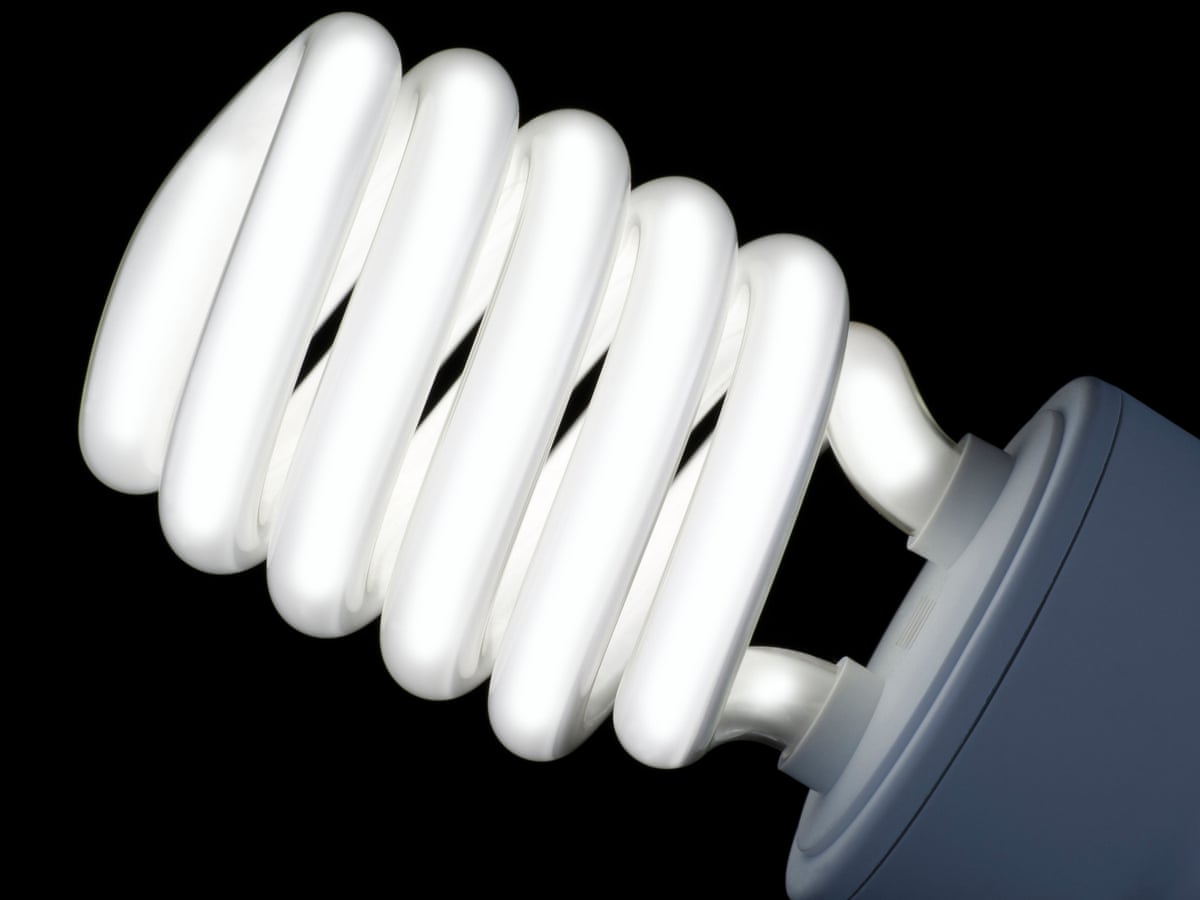
To fully grasp the gravity of mercury exposure, we must look beyond the immediate cleanup and consider the micro-semantic details of heavy metal toxicity. Follow these detailed insights into long-term health risks:
Comparing Mercury Vapor and Liquid Mercury for Health Risks
Mercury vapor is significantly more hazardous than liquid mercury in a household setting because the lungs absorb approximately 80% of inhaled vapors into the bloodstream, whereas liquid mercury passes through the digestive tract with minimal absorption. When a bulb breaks, the “white powder” acts as a high-surface-area medium that facilitates the rapid evaporation of mercury, making inhalation the primary and most dangerous route of exposure.
What are the Symptoms of Mercury Poisoning (Erethism)?
Chronic exposure to the components of broken fluorescent bulbs can lead to a condition called Erethism, which manifests as extreme shyness, irritability, and tremors. These symptoms are often misdiagnosed as general anxiety or age-related decline, but they are actually the result of mercury’s interference with the central nervous system. Because the effects are gradual, residents might not realize their environment is contaminated until significant neurological damage has occurred.
Are LED Bulbs a Safer, Powder-Free Alternative?
LED bulbs are the safest alternative for households because they do not contain mercury, use solid-state components rather than fragile gas-filled tubes, and do not rely on toxic loose powders for light production. Switching to LED technology eliminates the risk of chemical inhalation during a breakage. Furthermore, LEDs are physically more durable, significantly reducing the likelihood of any “powder” exposure in the first place.
How Should You Dispose of Light Bulb Waste According to EPA Standards?
The EPA recommends that all broken or spent CFLs be taken to a local hazardous waste collection point rather than being thrown in the household trash. This ensures that the mercury-laden phosphor powder is processed in a facility capable of capturing the heavy metals before they enter the soil or water supply. According to a 2022 report by the Association of Lighting and Mercury Recyclers, proper recycling can reclaim up to 99% of the mercury in a bulb, preventing environmental contamination.
In summary, while the white powder in light bulbs in old-fashioned bulbs is a harmless mineral, the powder in modern fluorescent bulbs is a toxic hazard that demands respect. By following the manual cleanup protocols and eventually transitioning to LED lighting, households can effectively eliminate the dangers associated with light bulb breakage.
Source:
https://coolwisdombooks.com/wp-content/uploads/2016/03/Canva-Power-saving-concept.-Asia-man-changing-compact-fluorescent-CFL-bulbs-with-new-LED-light-bulb..jpg
https://mlightuk.com/cdn/shop/articles/From-Fluorescent-to-LED-How-Retrofitting-Can-Cut-Costs-and-Carbon-M-Light-International-51600940.jpg?v=1744093032
https://encrypted-tbn0.gstatic.com/images?q=tbn:ANd9GcTxwMzbZzwiw7agzYjlomvCy3oFyRAgi-dVfw&s
https://pubs.acs.org/cms/10.1021/acsomega.3c07047/asset/images/acsomega.3c07047.social.jpeg_v03
https://i.guim.co.uk/img/media/a008fff12c3dbc8857e0b206c438ccfce82e2fba/0_125_4256_2554/master/4256.jpg?width=1200&height=900&quality=85&auto=format&fit=crop&s=0918fd5178cfec24e76f177fbbfad772
https://static.scientificamerican.com/sciam/cache/file/2B38DE31-C1D3-4339-8808D61972976EE4_source.jpg?crop=16%3A9%2Csmart&w=1920
