
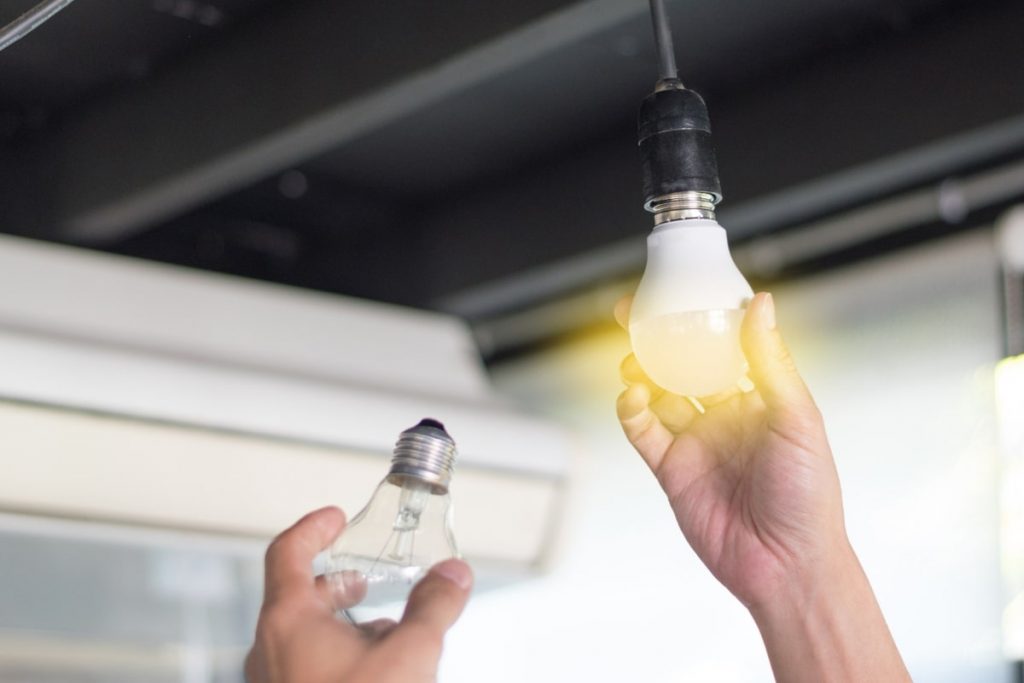
To dispose of burned out light bulbs safely, homeowners must distinguish between inert glass waste and hazardous electronic waste to prevent environmental contamination and physical injury. Proper disposal involves a combination of secure household trashing for traditional bulbs and specialized recycling for modern, chemical-containing variants. By following established safety protocols, individuals can ensure that toxic elements like mercury and lead are kept out of local landfills.
Determining whether a bulb belongs in the regular trash or a recycling bin depends entirely on its internal components, as not all light sources are created equal. While older incandescent models are generally safe for the bin, modern LEDs and CFLs require a more nuanced approach to prevent chemical leaks. Understanding these differences is the first step toward responsible household waste management.
Grouping these light sources into categories such as hazardous, electronic, and non-hazardous allows for a more organized recycling strategy. This categorization helps in identifying which bulbs can be dropped off at local retail centers like Home Depot or Lowe’s and which must be handled by municipal hazardous waste facilities. Efficient grouping ensures that valuable materials are recovered while harmful substances are neutralized.
Beyond simple disposal, many homeowners are turning to creative upcycling as a zero-waste alternative to the trash bin. Repurposing old glass shells into decorative home items offers a secondary life to materials that would otherwise take decades to decompose. Below, we explore the essential definitions, groupings, and safety methods required to manage your household lighting waste effectively.
What Does Safe Light Bulb Disposal Mean?
Safe light bulb disposal is a waste management protocol derived from environmental safety standards characterized by the proper containment of hazardous materials and glass shards to protect both the ecosystem and sanitation workers. It ensures that toxic components are neutralized correctly.
To understand the depth of safe light bulb disposal, we must look at how this process functions across different household environments. Specifically, the definition emphasizes the intersection of physical safety and chemical responsibility.

Proper disposal begins with identifying the material composition of the entity. A standard bulb is not just glass; it often includes metal caps, soldered wires, and various gases or powders. Safe disposal means managing these “root attributes” through specific channels. For example, the glass attribute requires physical containment to prevent cuts, while the chemical attribute (like mercury vapor) requires atmospheric containment. The ultimate goal is to move the bulb from a state of “utility” to a state of “inert waste” without causing a negative environmental footprint.
According to the Environmental Protection Agency (EPA) in a 2024 waste management summary, safe disposal protocols for mercury-containing bulbs have prevented approximately 90% of potential mercury vapor leaks into urban environments when followed correctly by residential consumers.
Can You Throw All Light Bulbs in the Regular Trash?
No, you cannot throw all light bulbs in the regular trash because CFLs contain toxic mercury, LEDs consist of recyclable electronic circuitry, and broken glass poses significant laceration risks to waste management personnel during the compaction process.
Mocking the assumption that the trash bin is a universal solution, we must examine the specific dangers associated with improper trashing. Furthermore, different bulb technologies respond differently to the high-pressure environment of a garbage truck.

There are three primary reasons to avoid trashing all bulbs. First is the “Chemical Hazard”: CFLs and older fluorescent tubes contain mercury, which is a neurotoxin. When these bulbs break in a trash can, mercury vapor is released into your home and eventually the atmosphere. Second is the “Resource Waste”: LED bulbs contain rare earth metals and circuit boards that can be harvested and reused. Throwing them away is a loss of valuable materials. Third is “Physical Danger”: Even non-toxic incandescent bulbs are made of thin, fragile glass. Without proper wrapping, these shards pierce trash bags and can injure sanitation workers or puncture equipment.
A study from the University of California’s Department of Environmental Science in 2023 indicated that approximately 20% of residential trash-related injuries to sanitation workers were caused by improperly disposed of sharp objects, including light bulb glass.
How Should We Group Light Bulbs for Proper Disposal?
There are 3 main categories of light bulbs for proper disposal: hazardous chemical bulbs (CFLs), electronic-waste bulbs (LEDs), and non-hazardous inert bulbs (Incandescent/Halogen) grouped by their internal material composition and toxicity levels.
Grouping light bulbs correctly ensures that each material type reaches the appropriate facility. Specifically, this organization prevents the cross-contamination of recyclables with toxic substances.

Disposing of Incandescent and Halogen Bulbs
Incandescent and halogen bulbs are considered the least hazardous of the group. These bulbs work through a simple tungsten filament protected by an inert gas like argon or nitrogen. Because they do not contain toxic chemicals, they are generally accepted in regular household trash. However, the glass is often of a different type than standard bottle glass, meaning they cannot be placed in your curbside glass recycling bin. The best practice is to wrap them in newspaper or place them back in their original cardboard packaging before trashing to ensure they do not shatter and cause injury.
Recycling CFLs and Fluorescent Tubes
Compact Fluorescent Lamps (CFLs) and long fluorescent tubes require the most caution due to their mercury content. You should never throw these in the trash. Most local governments host “Hazardous Household Waste” collection days specifically for these items. Additionally, many large retailers have set up collection bins near their entrances. When transporting them, ensure they are placed in a sealed plastic bag or a sturdy box to contain any potential leaks if a bulb happens to break during transit. This group requires a dedicated chemical recycling process to safely extract and store the mercury.
Managing LED Bulbs as Electronic Waste (E-Waste)
LED bulbs are a unique category known as E-Waste. While they do not contain mercury, they are built with miniature circuit boards, drivers, and semiconductors that contain traces of lead, nickel, and arsenic. Grouping them as electronics rather than standard glass allows specialized recyclers to shred the components and use magnets or chemical baths to recover valuable metals. Many “Best Buy” locations or dedicated “E-waste” centers accept LED bulbs. By treating them as electronics, you support a circular economy where the metals from your old bulb might end up in a new smartphone or computer.
Choosing Between Recycling and Trashing for Different Bulb Types
Trashing wins for convenience with inert incandescent bulbs, recycling is mandatory for toxic mercury containment in CFLs, and specialized e-waste drop-offs are optimal for the resource recovery of high-tech LED components.
Moc xích the comparison between convenience and environmental safety, we see that the “best” method is determined by the specific chemical profile of the bulb. Furthermore, the availability of local infrastructure plays a key role in this decision.

When comparing these methods, we look at “Environmental Impact” vs. “User Effort.” For a homeowner with a burned out halogen bulb, trashing is low-effort and low-impact, making it the logical choice. However, for a CFL, the impact of trashing is high (mercury poisoning of soil), so the extra effort of driving to a center is justified. For LEDs, the comparison is about sustainability. While trashing an LED isn’t as toxic as a CFL, the “resource loss” is significant. Therefore, recycling is the “better” method for those looking to maximize the lifecycle of modern technology. Ultimately, trashing is a last resort for most modern bulb types.
According to research from the Massachusetts Institute of Technology (MIT) from the Materials Systems Laboratory in 2024, recycling one ton of LED bulbs recovers enough copper and gold to manufacture over 100 new high-efficiency industrial light fixtures.
What Can You Do With Old Bulbs Instead of Tossing Them?
There are 4 main creative repurposing methods for old bulbs: creating miniature terrariums, crafting holiday ornaments, building oil lamps, and making spice containers, depending on the bulb’s shape and glass clarity.
Moc xích the idea of zero-waste to the supplemental content, we explore how “Upcycling” acts as a sustainable antonym to “Disposal.” Specifically, these DIY projects require a careful hollowing process to be safe for home use.
Turning Clear Bulbs into Miniature Terrariums or Vases
Clear incandescent bulbs are perfect for miniature terrariums because their shape naturally mimics a greenhouse environment. To do this, you must carefully remove the metal cap and the internal filament using needle-nose pliers and a screwdriver (always wear eye protection). Once the bulb is a hollow glass shell, you can fill the bottom with small pebbles, a thin layer of activated charcoal, and moss or air plants. These “living light bulbs” can be placed in a small wooden ring or hung with twine to create a stunning, natural centerpiece that highlights the beauty of recycled glass.
How to Transform Burned out Light Bulbs Safely Into Holiday Ornaments
Old light bulbs, particularly the traditional pear-shaped ones, make excellent canvases for holiday decorations. Because the glass is smooth and non-porous, it holds acrylic paint and glitter extremely well. For Halloween, you can paint them white to create “spooky ghosts,” or for Christmas, you can turn them into “snowmen” or “glittering baubles.” By hot-gluing a piece of ribbon to the metal base, you create a durable ornament that diverts glass from the landfill and adds a personal, handmade touch to your seasonal decor.
How to Handle Broken Glass and Hazardous Mercury
In the event of a bulb breaking, safety becomes the rare but critical priority. If a CFL breaks, you must immediately clear the room of people and pets and open a window for at least 10 minutes to allow mercury vapors to dissipate. Do not use a vacuum cleaner, as this will spread the powder and vapor throughout the house. Instead, use stiff paper or cardboard to scoop up large fragments and duct tape to pick up small shards and powder. For non-hazardous broken glass, the “newspaper wrap” method—where you double-wrap shards in thick paper before bagging—is essential to protect the hands of those handling your waste.
Data from the National Institute for Occupational Safety and Health (NIOSH) indicates that using a vacuum on a broken CFL can increase the concentration of mercury vapor in a standard-sized room to levels 10 times higher than the safe exposure limit within minutes.
Source:
- https://images.unsplash.com/photo-1591123720164-de1348028a82
- https://images.unsplash.com/photo-1532996122724-e3c354a0b15b
- https://cdn11.bigcommerce.com/s-b4l39fmg4b/images/stencil/1280×1280/i/bulk-buy__96696%255b1%255d_category_product.original.jpg
- https://jdlighting.com.au/media/wysiwyg/disposal-methods-for-different-types-of-light-bulbs-2.jpg
- https://sunsolarelectrical.ca/wp-content/uploads/2022/12/light-bulbs-keep-buring-out-min-1024×683.jpg
