
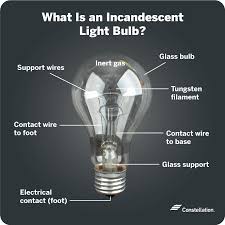
Exploring light bulb functions reveals they are essential electrical devices designed to provide artificial illumination for homes while simultaneously serving as critical heat sources for specialized industrial and domestic applications. By converting electrical energy into visible light, these tools ensure safety, productivity, and comfort in every modern living space.
Beyond simple visibility, light bulbs are utilized for specific task performance, mood-setting ambient effects, and decorative aesthetics. The diversity in bulb technology, from traditional incandescent filaments to modern LED semiconductors, allows users to choose between high-efficiency lighting and intentional thermal generation.
Furthermore, specialized bulbs play a vital role in niche environments such as food service, reptile care, and medical sterilization. These secondary functions leverage the unique physical properties of different light spectrums to solve complex environmental challenges beyond the reach of standard illumination.
To understand how to optimize your environment, it is necessary to examine the technical mechanisms and diverse categories of lighting available today. Below, we provide a comprehensive guide to the multifaceted roles of light bulb functions in contemporary society.
What is the Primary Function of a Light Bulb?
A light bulb is an electrical component that converts electricity into visible light and infrared radiation through processes such as incandescence, gas discharge, or electroluminescence to illuminate dark environments. This primary function enables human activity regardless of natural light availability.
Mucking the problem of darkness from the heading, let us delve into the core attributes that define this device’s utility. Specifically, the conversion of energy relies on three fundamental root attributes: Lumens, the Visible Spectrum, and Electrical Conversion efficiency.
Lumens represent the total amount of visible light emitted by a source. The more lumens a bulb produces, the brighter the space becomes, which is the foundational requirement for any lighting application. Furthermore, the Visible Spectrum refers to the portion of the electromagnetic spectrum that the human eye can detect. Bulbs are engineered to mimic natural sunlight or provide specific color temperatures (measured in Kelvin) to suit different psychological and physiological needs. Finally, Electrical Conversion is the process where power (Watts) is transformed into light. While older technologies were less efficient, modern bulbs focus on maximizing photon output while minimizing energy loss.
Can All Light Bulbs Functions Be Used for Both Lighting and Heating?
Yes, all light bulb functions generate both light and heat as thermodynamic byproducts, although their effectiveness for heating depends on their specific energy waste ratios and internal filament or diode construction. Not every bulb is suitable for thermal tasks.

While the heading suggests a universal capability, the transition from light to heat is governed strictly by the bulb’s root attributes, including thermal output and the balance between energy waste and heat utility.
In an incandescent bulb, the filament must be heated to extreme temperatures to produce light, resulting in significant thermal output. This “energy waste” in a lighting context becomes “heat utility” in a warming context. Conversely, LEDs are designed to be “cool” to the touch because they use semiconductors to produce photons directly, minimizing molecular vibration and heat. Therefore, while an LED technically produces a tiny amount of heat at its heat sink, it cannot serve as a heat lamp. For heating applications, one must rely on bulbs where the electrical resistance is high enough to generate infrared radiation as a primary or significant secondary output.
How Do We Group Light Bulb Functions in the Modern Home?
There are three primary categories of light bulb functions in the home: Ambient, Task, and Accent lighting, grouped according to their purpose in enhancing visibility, focused productivity, and architectural aesthetics. Each type serves a distinct psychological role.
Grouping these functions helps homeowners create a layered lighting plan that maximizes comfort and utility. Specifically, the application of light is categorized based on its intensity, direction, and color rendering properties.
Ambient Lighting for General Visibility

Ambient lighting serves as the foundation of any room’s illumination strategy. Its goal is to provide a uniform level of brightness that allows occupants to move safely and perform general activities without eye strain. This is typically achieved through central ceiling fixtures, recessed can lights, or natural light supplemented by large-scale floor lamps. The focus here is on “general visibility,” ensuring that there are no dark corners or high-contrast shadows that could cause accidents.
Task Lighting for Focused Activities

Task lighting is high-intensity, directional light designed to help users perform specific, detail-oriented work. Unlike ambient light, task lighting is localized to a small area to prevent shadows from the user’s body or other objects. Common examples include desk lamps for studying, under-cabinet LED strips for food preparation, or vanity lights in bathrooms for grooming. This functional grouping is essential for preventing fatigue during prolonged periods of concentration.
Accent Lighting for Aesthetic Appeal

Accent lighting is used to create visual interest or draw attention to specific objects and architectural features. It is often three times brighter than the surrounding ambient light to create a focal point. Applications include track lighting aimed at paintings, picture lights, or uplighting placed behind plants to highlight textures. This category is less about utility and more about the “aesthetic appeal” and “mood” of the environment.
Comparing LED and Halogen and Deciding Whether to Upgrade During Replacement
Incandescent bulbs are significantly better for heat generation because they convert 90% of energy into heat, while LEDs are superior for illumination efficiency, converting nearly all energy into visible light with minimal thermal waste.
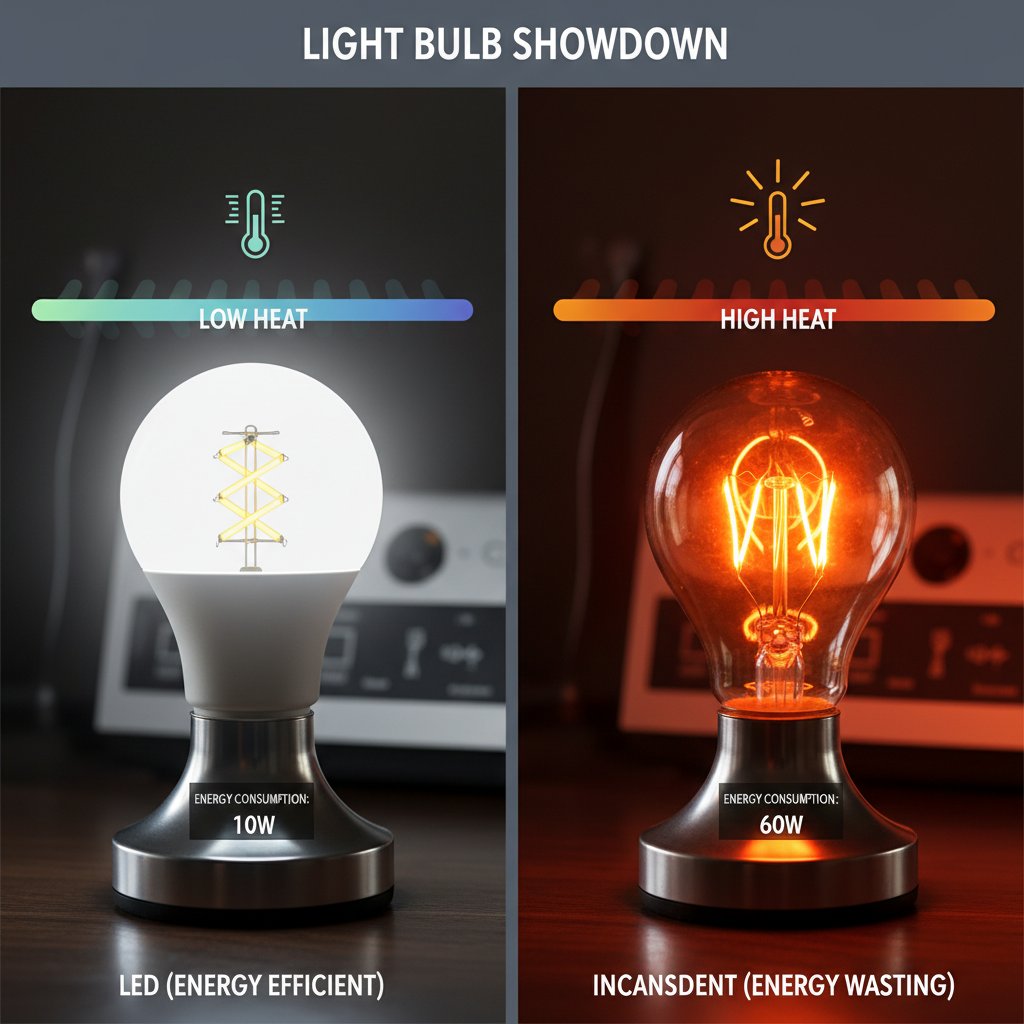
This comparison is rooted in the physical operating temperature and the heat-to-light ratio of each technology. Specifically, the choice between them depends on whether the user prioritizes energy savings or thermal energy output.
Incandescent bulbs operate by passing electricity through a tungsten filament until it glows. This process is inherently “inefficient” for light but “perfect” for heat. In contrast, LED (Light Emitting Diode) technology uses a solid-state process where electrons fall into “holes” in a semiconductor, releasing energy as photons. This results in a very high heat-to-light ratio for incandescents and a very low one for LEDs. If you are building a chick brooder or a food warmer, the incandescent or its cousin, the halogen bulb, is the clear winner. However, for a desk lamp where you don’t want to feel the burn, LED is the optimal choice.
What are the Most Common Heat Applications for Specialized Bulbs?
There are two main categories of specialized heat bulb applications: food warming in the hospitality industry and climate regulation for biological environments like terrariums and pet shelters. These bulbs prioritize infrared radiation over visible light.
Grouping these applications reveals how “waste energy” from standard lighting is harnessed for critical life-support and commercial functions. Specifically, these specialized bulbs are engineered with rare gas fills or stained glass to enhance thermal emission.
Food Warming and Kitchen Appliances
In the culinary world, maintaining the “safe zone” temperature for served food is vital. Specialized heat lamps are used in restaurant pass-through stations, buffet lines, and domestic ovens. These bulbs often feature a red coating to signify heat and to provide a warm, appetizing glow to the food.
Terrariums and Pet Care

For ectothermic animals like reptiles, light bulbs are a literal life-line. These applications include basking bulbs for thermoregulation, ceramic heat emitters for nighttime warmth, and brooder lamps for agriculture. In these contexts, the bulb’s function is purely biological, mimicking the sun’s thermal energy to support the animal’s metabolism.
Specialized and Rare Light Bulb Applications
Specialized light bulb applications include smart home integration, germicidal UV-C sterilization, far-infrared therapy, and decorative filament artistry, catering to high-tech, medical, and aesthetic niche markets. These go beyond standard visibility needs.
Specifically, these applications utilize unique and rare attributes such as wireless communication protocols and specific electromagnetic wavelengths. To understand the future of lighting, we must explore these micro-niches.
How Do Smart Bulbs Redefine Home Automation?
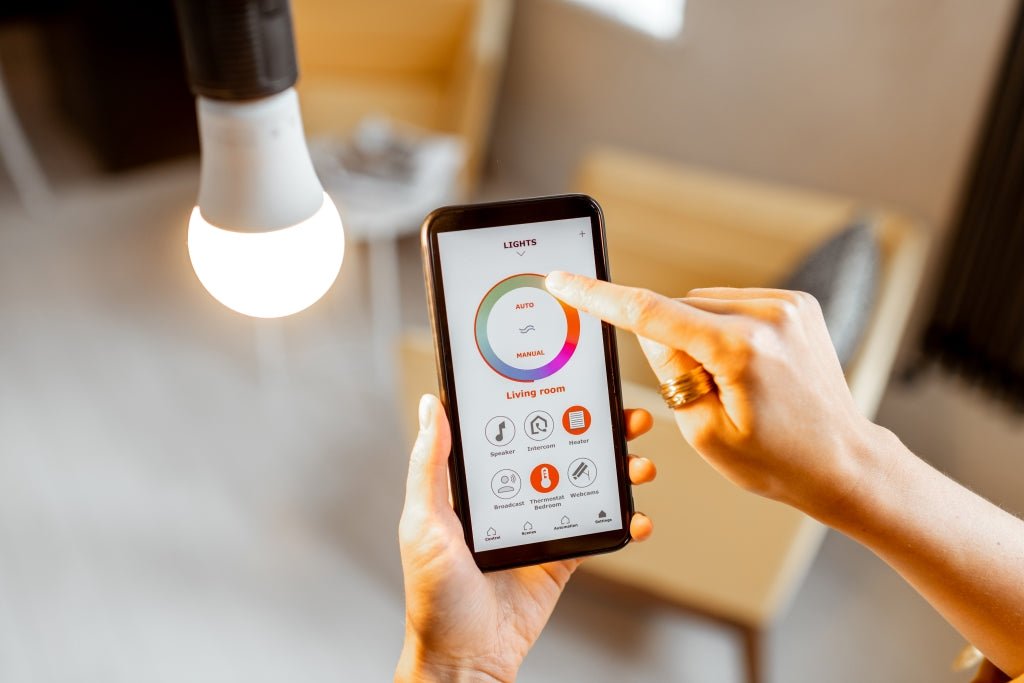
Smart bulbs transform lighting from a static utility into a dynamic, programmable service. By integrating Wi-Fi or Zigbee chips, these bulbs allow for remote control via smartphones, voice-activated adjustments, and automated “circadian” lighting schedules. This “unique attribute” of connectivity means the bulb’s function is now a part of the Internet of Things (IoT).
Are UV-C Light Bulbs Effective for Home Sterilization?
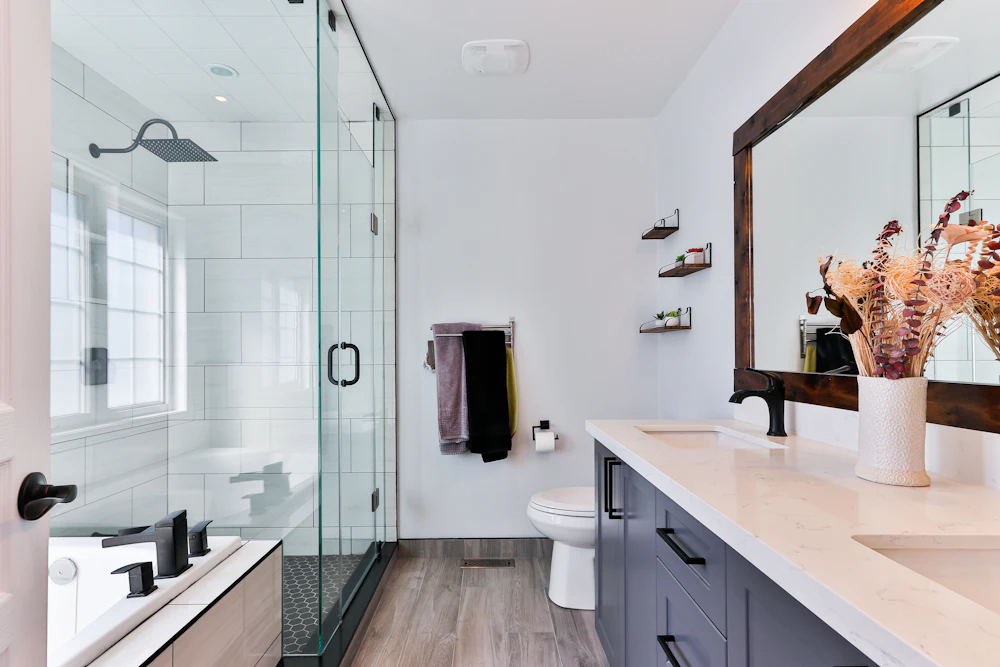
Yes, UV-C light bulbs are highly effective for sterilization because they emit short-wavelength ultraviolet radiation that disrupts the DNA/RNA of microorganisms. However, this is a “rare attribute” because UV-C is dangerous to human skin and eyes, requiring automated sensors to turn off when people are present. It is primarily used in HVAC systems or specialized medical environments.
What is the Difference Between Far-Infrared and Standard Heat Bulbs?
Far-infrared bulbs differ from standard heat bulbs in their wavelength penetration; far-infrared penetrates deeper into organic tissue for therapeutic purposes, while standard heat bulbs primarily warm the surrounding air and skin surface. This comparison highlights the “rare attribute” of infrared spectrum control for health therapy versus comfort warming.
Does the Filament Style Affect the Bulb’s Decorative Function?

Filament style is the defining characteristic of decorative bulbs, where the visual appearance of the internal structure is more important than the light output itself. These are often called “Edison bulbs.” Whether it is a squirrel cage or a spiral filament, the light bulb functions serves as a piece of art rather than a mere light source.
Source:
- https://images.unsplash.com/photo-1550684848-fac1c5b4e853
- https://images.unsplash.com/photo-1543165365-07232ed12fad
- https://images.unsplash.com/photo-1513519245088-0e12902e5a38
- https://images.unsplash.com/photo-1534073828943-f801091bb18c
- https://images.unsplash.com/photo-1507473885765-e6ed057f782c
- https://ik.warmlyyours.com/img/led-vs-conventional-bulbs-comparison-bjgvxm?tr=dpr-auto
- https://images.unsplash.com/photo-1555396273-367ea4eb4db5
- https://images.unsplash.com/photo-1504196606672-aef5c9cefc92
- https://tekled.co.uk/cdn/shop/articles/What_are_Smart_Bulbs-753894.jpg?v=1680528986
- https://images.unsplash.com/photo-1584622650111-993a426fbf0a
- https://images.stockcake.com/public/2/b/2/2b23b2a5-f62f-4604-8653-13fb6b6a96fa/vintage-edison-glow-stockcake.jpg
- https://blog.constellation.com/wp-content/uploads/2024/04/incandescent-bulb.png
